
A standard tarot deck is built from 78 cards, and each one carries a meaning of its own: a moment, a feeling, a lesson, or a turning point. Learning those meanings is what turns a spread from a row of pictures into a story you can read. Think of this page as your map to all 78 tarot cards.
The deck divides into two groups. The 22 Major Arcana mark the larger themes and turning points that can shape a chapter of your life. The 56 Minor Arcana bring the everyday detail through Wands, Cups, Swords, and Pentacles. Choose any card below to explore its upright and reversed meanings, symbolism, and place in love, career, and personal growth.
If you want to understand the system rather than look up one card, keep reading below the deck for how to read meanings in a spread, work with reversals and court cards, connect the suits, and approach tarot timing.
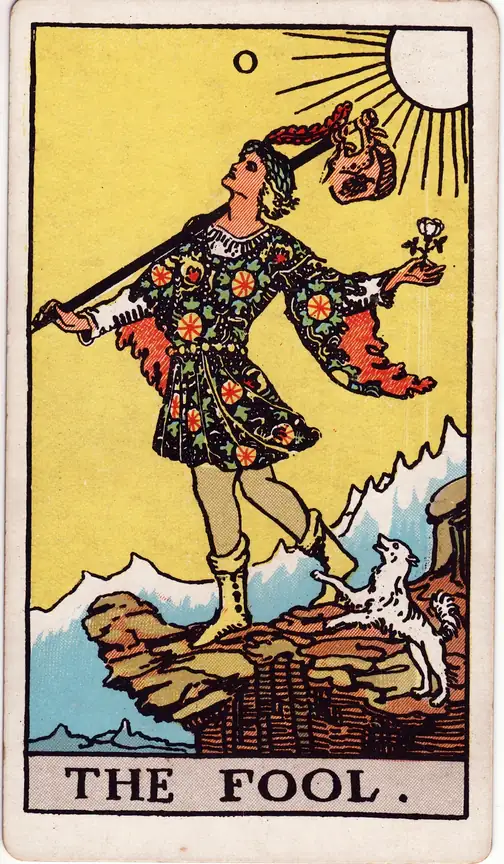
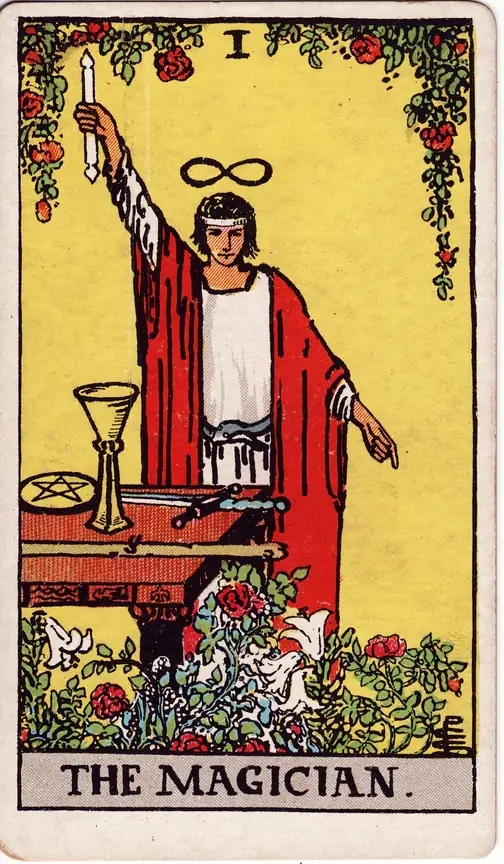
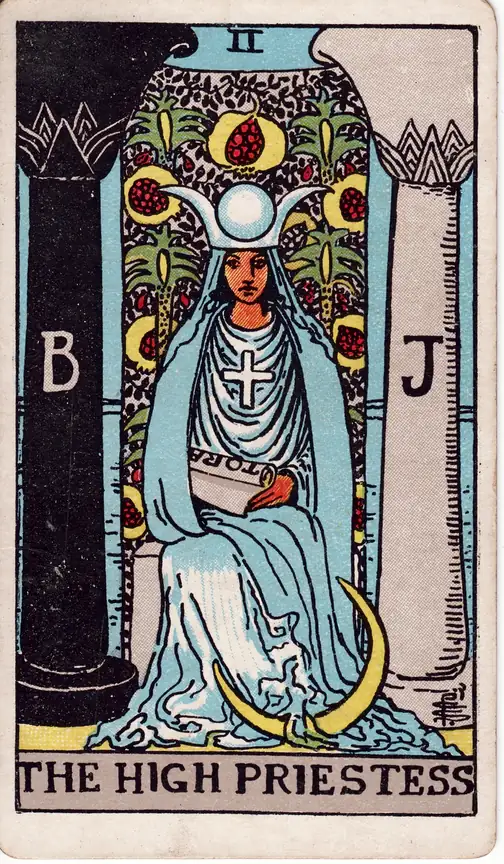
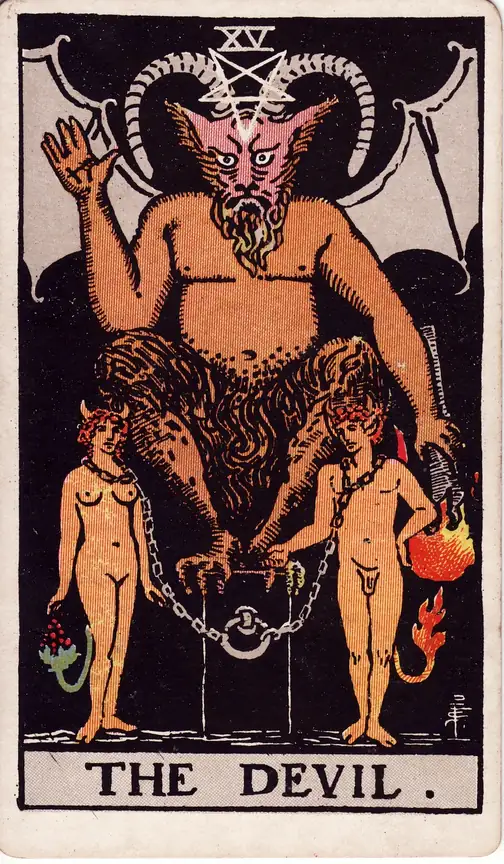
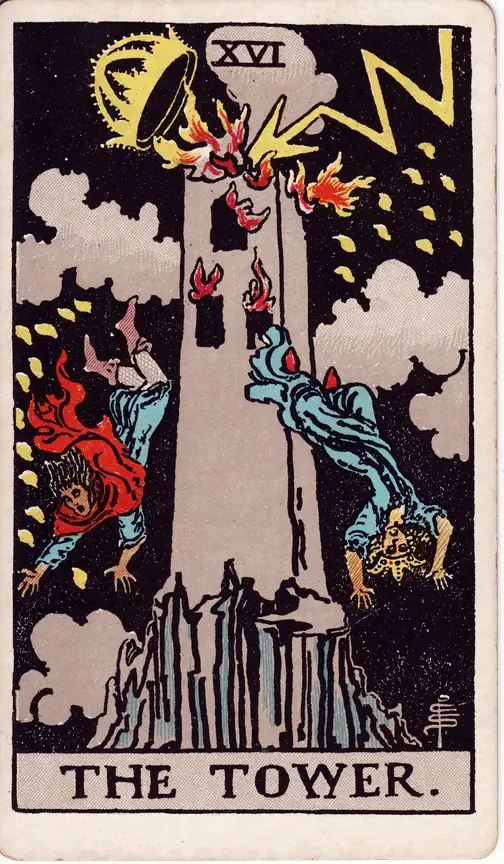
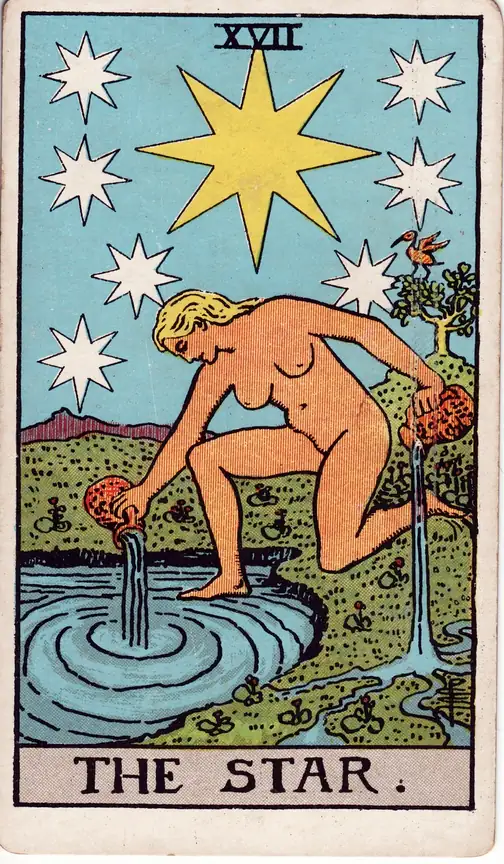
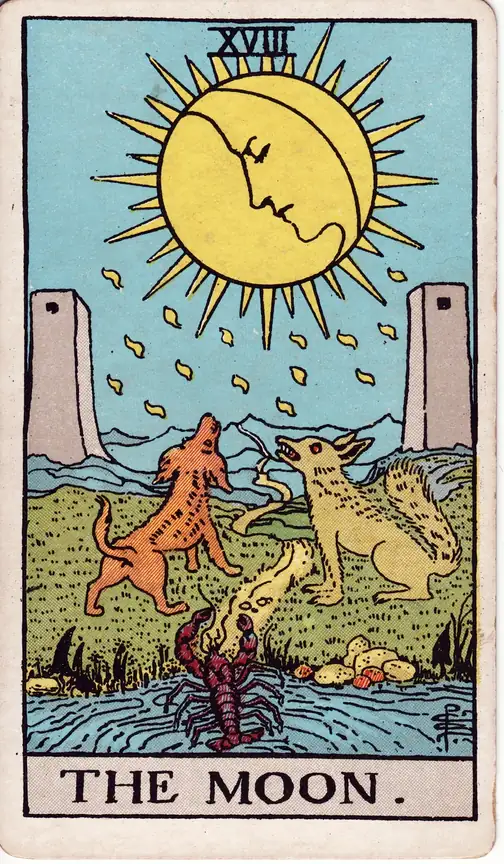
Major Arcana
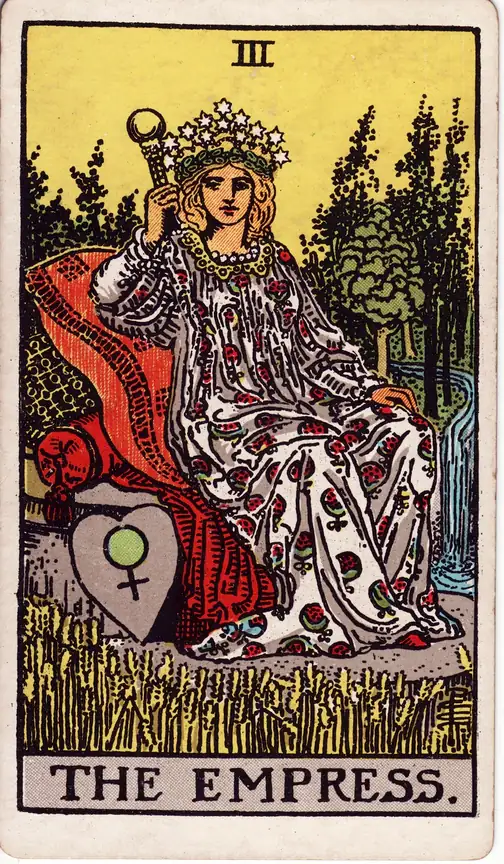
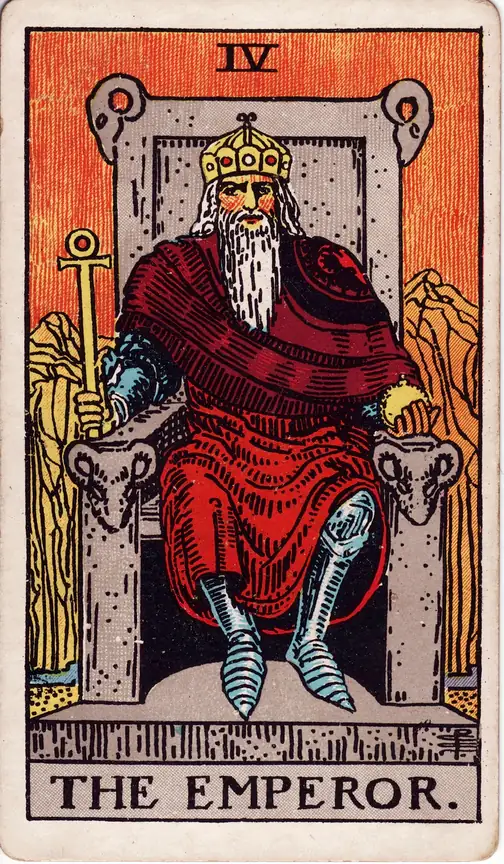
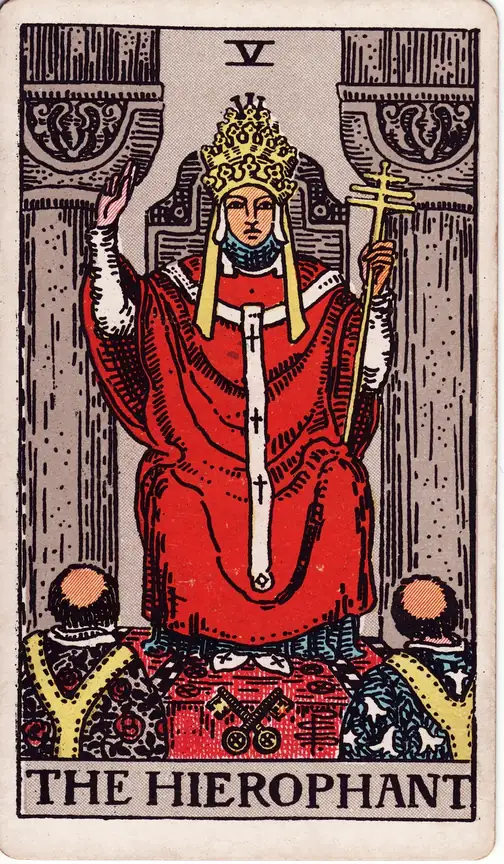
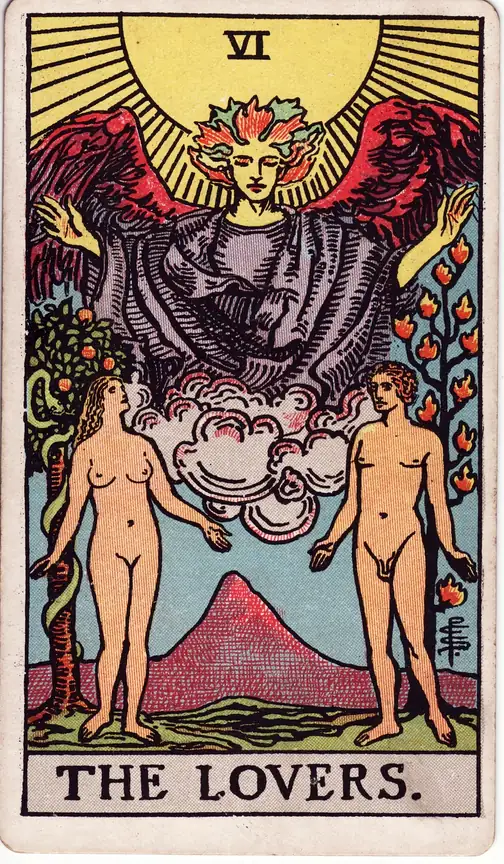
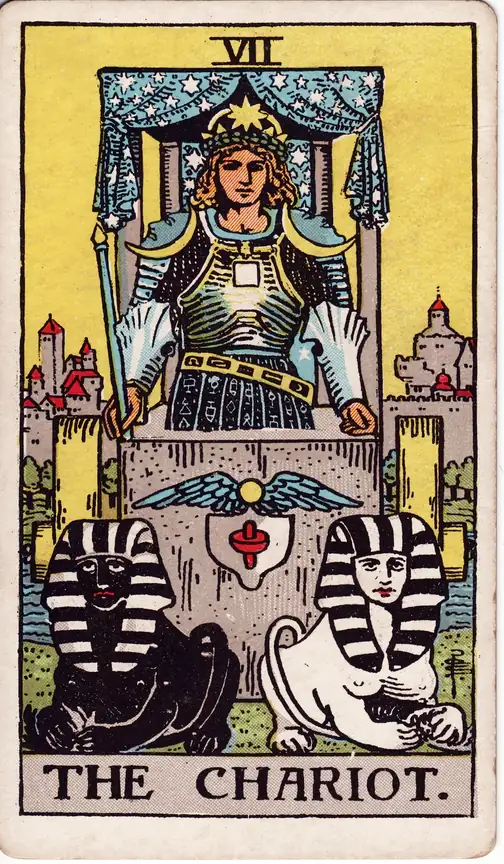
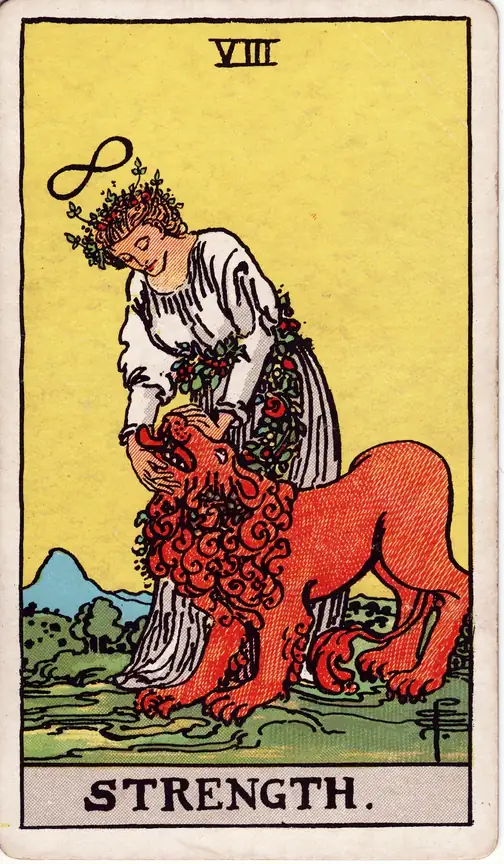
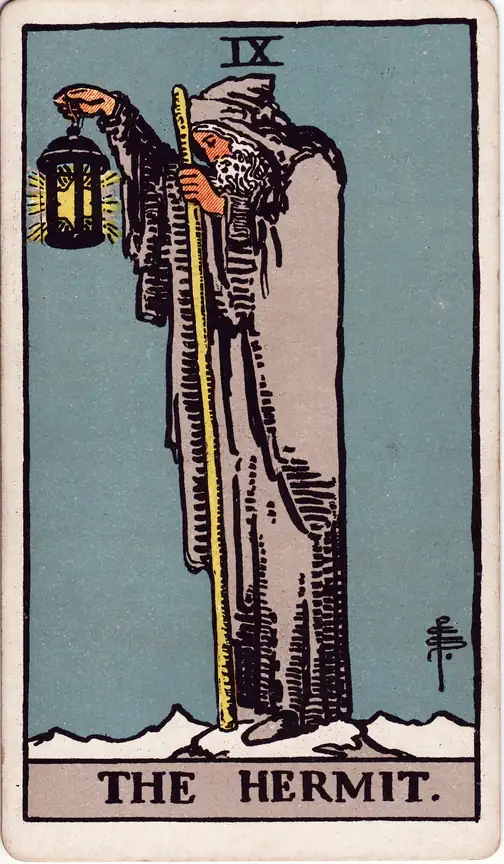
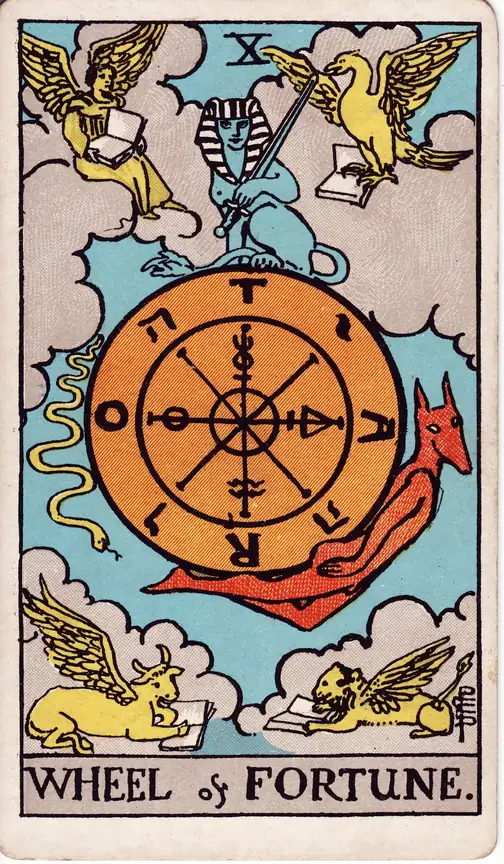
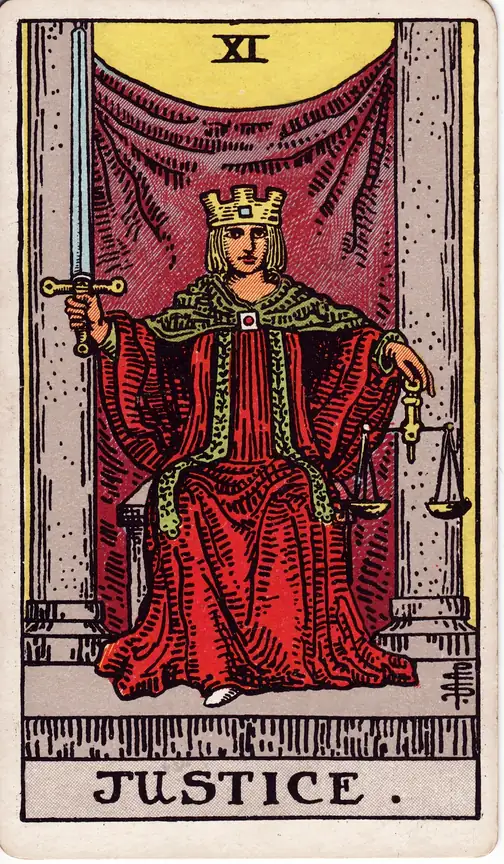
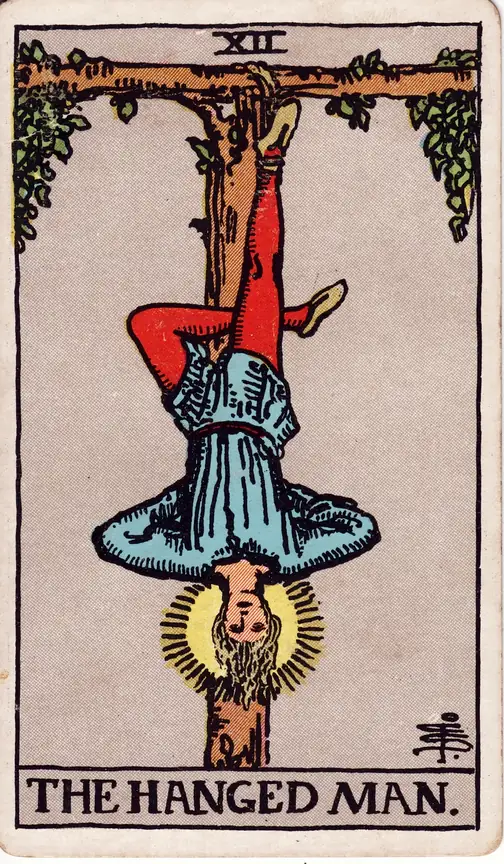
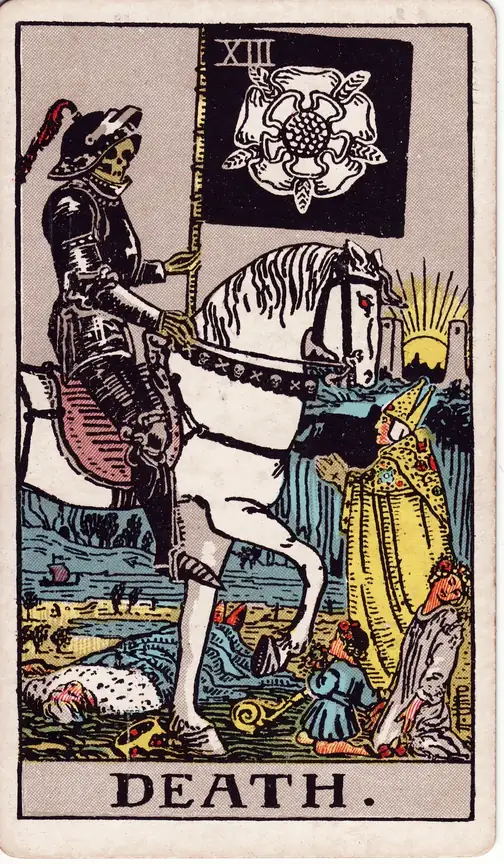
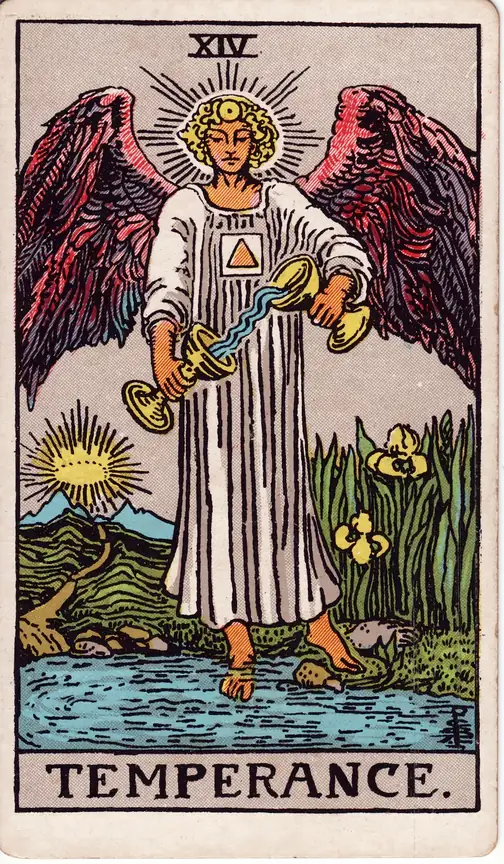
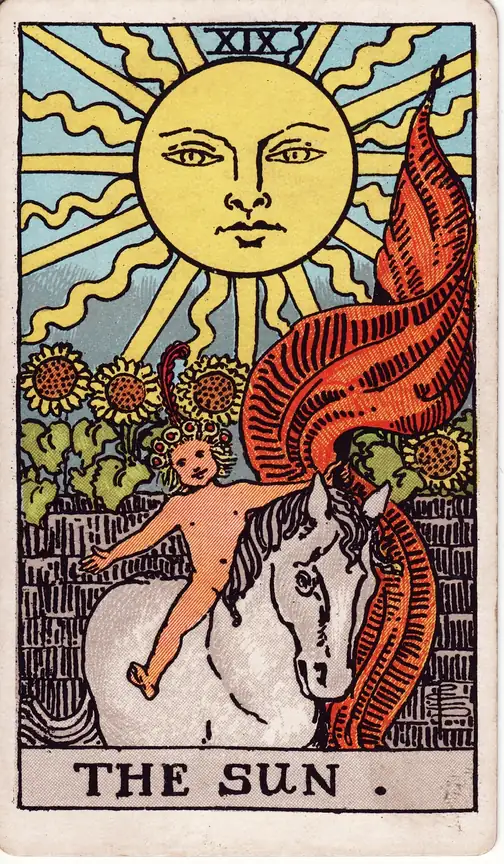
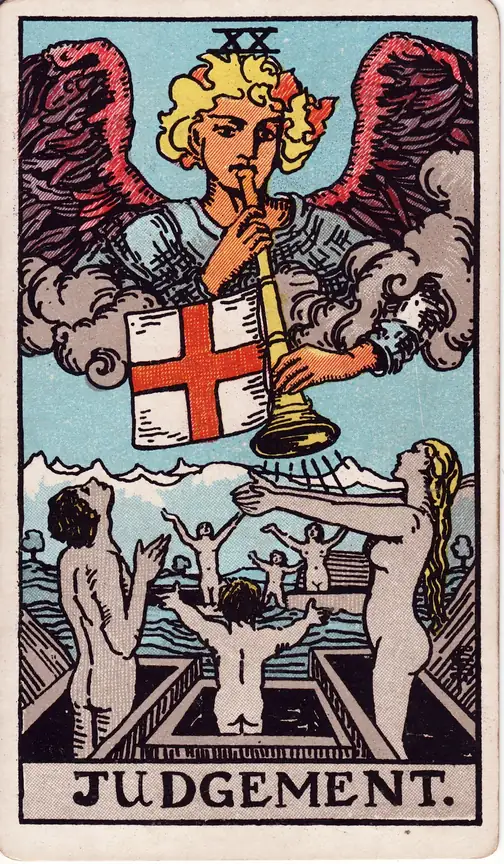
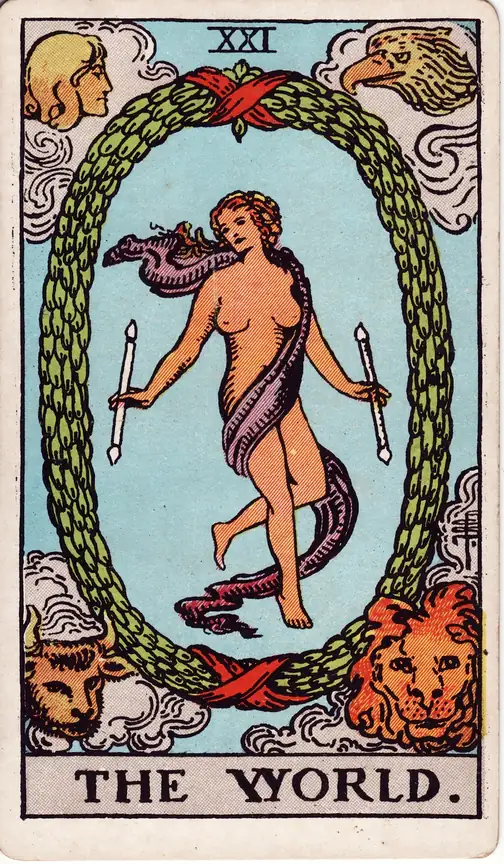
The Major Arcana represent archetypal forces, major life lessons, and the turning points that give a reading its larger shape. Together they form the Fool's Journey, a path through change, experience, and growth. When a spread is heavy with Major Arcana, the reading usually points to something significant rather than a passing daily concern.
Minor Arcana
The Minor Arcana reflect everyday events, emotions, choices, and challenges. They divide into four suits: Wands, Cups, Swords, and Pentacles, with each suit running from Ace through Ten before the Page, Knight, Queen, and King. The minors carry the practical detail of a reading: where the majors show what is happening, the minors show how it is happening and where it is playing out.
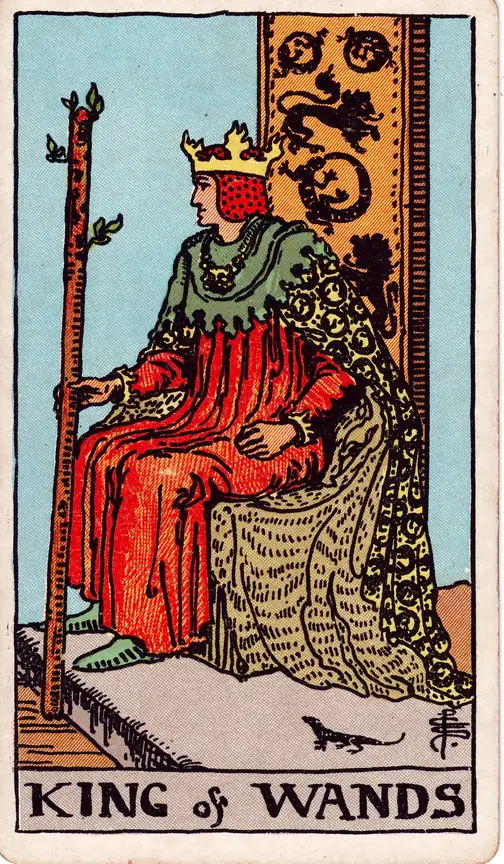
Suit of Wands
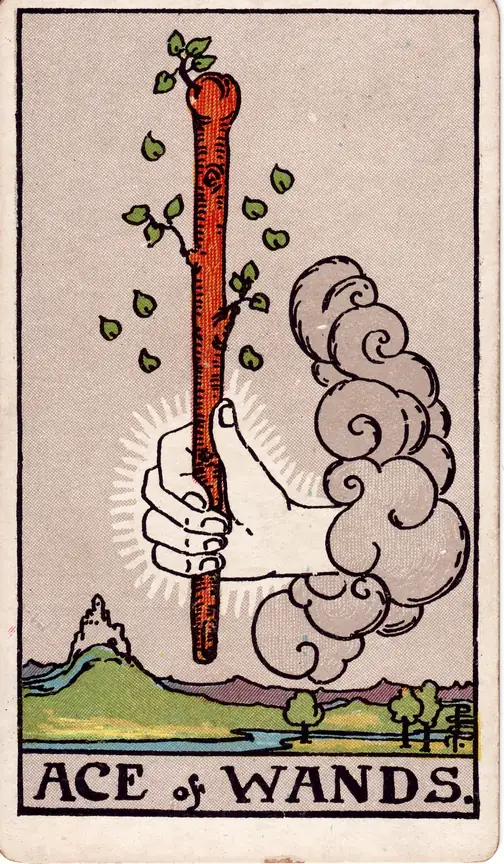
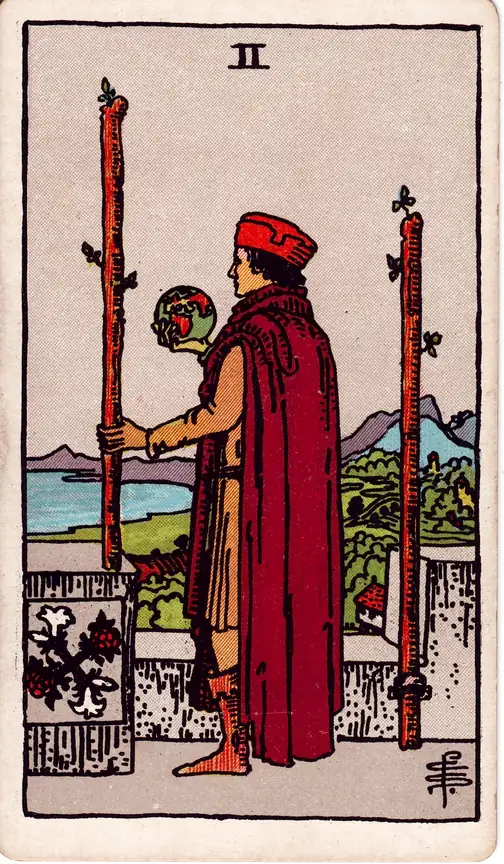
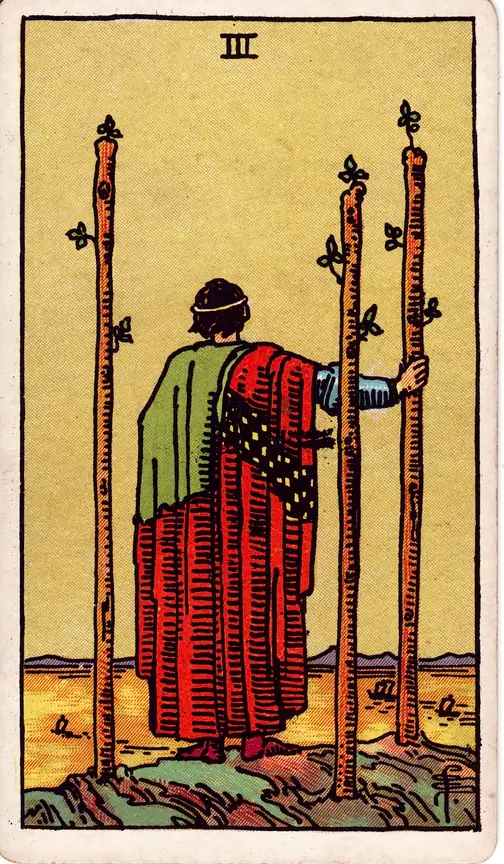
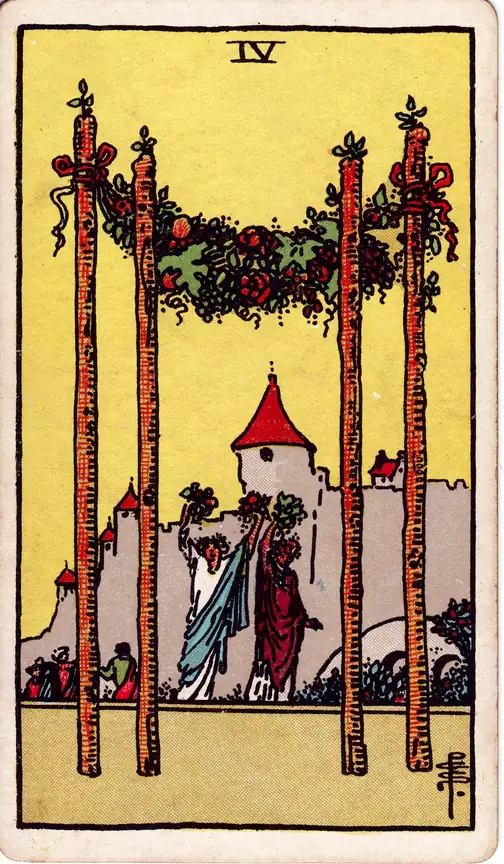
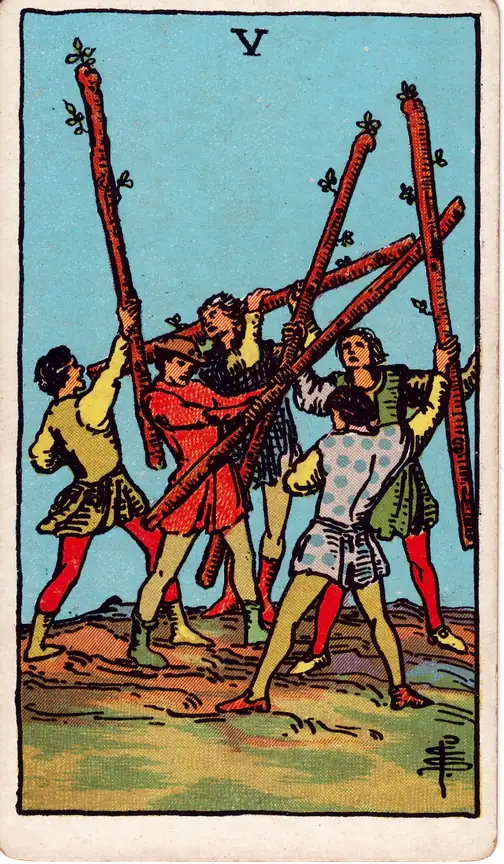
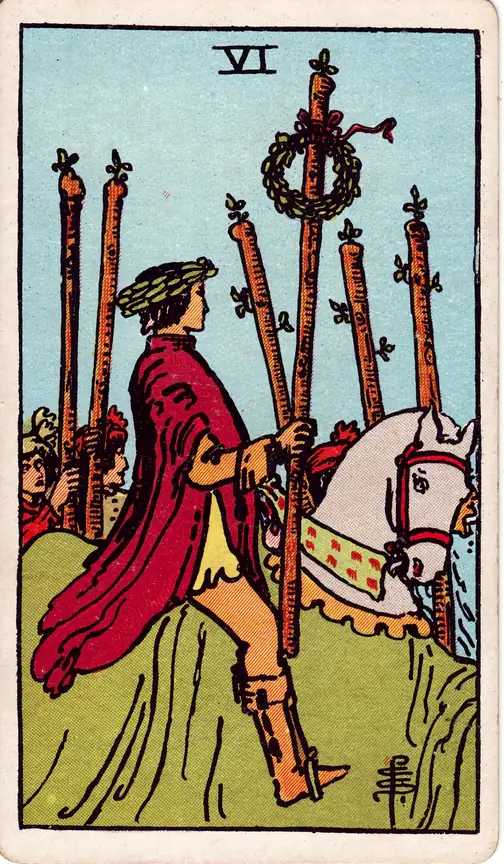
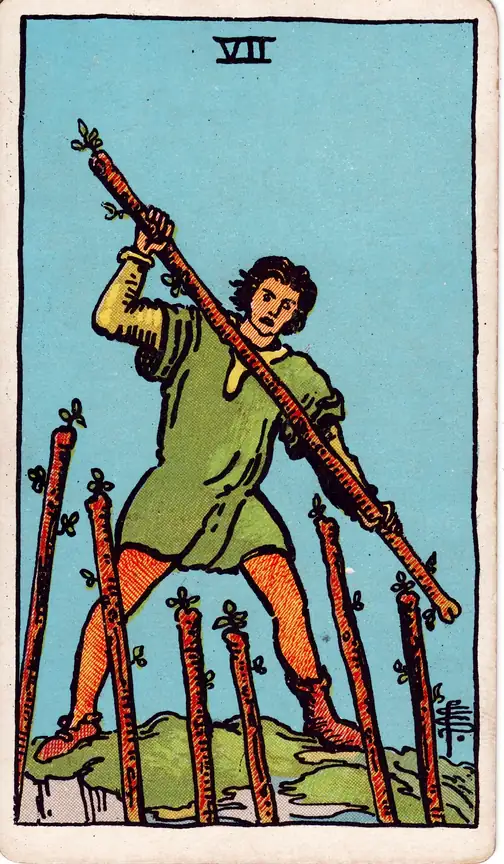
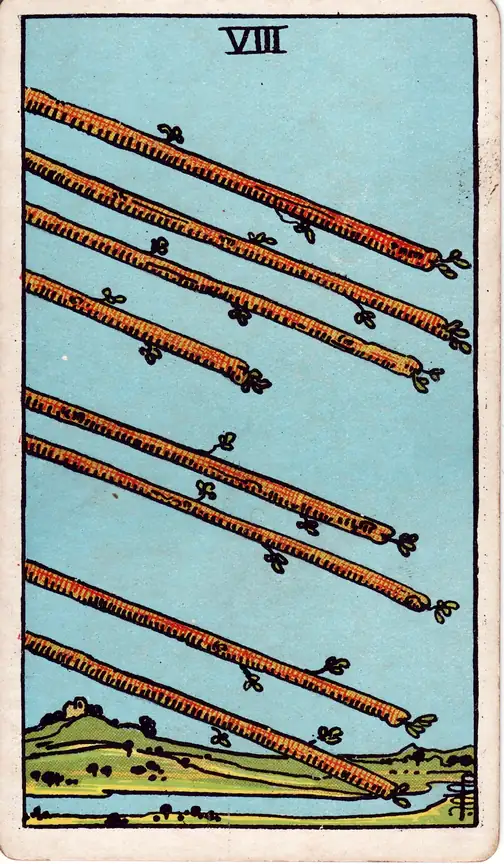
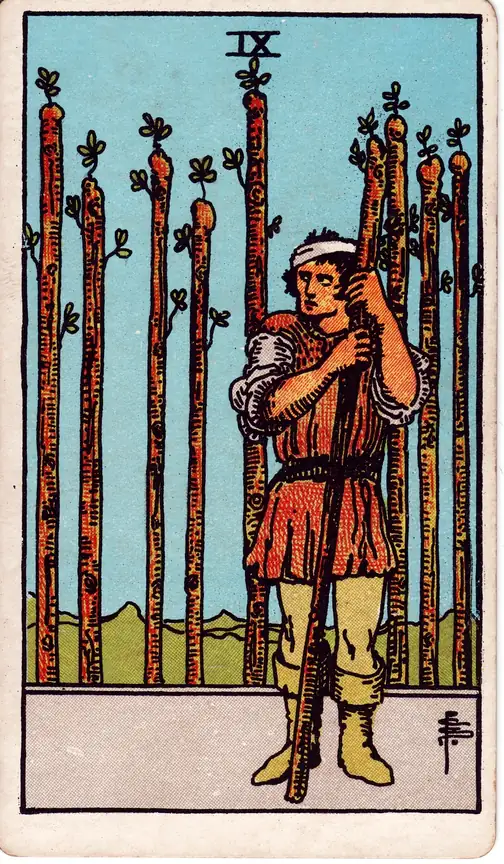
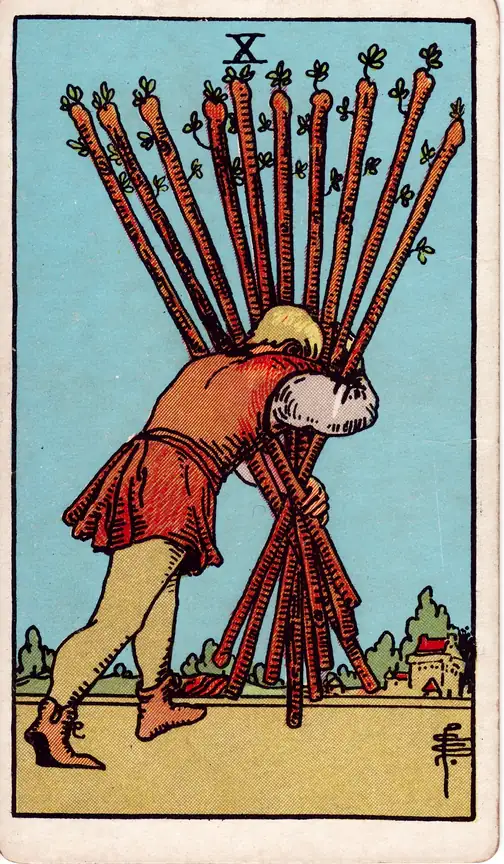
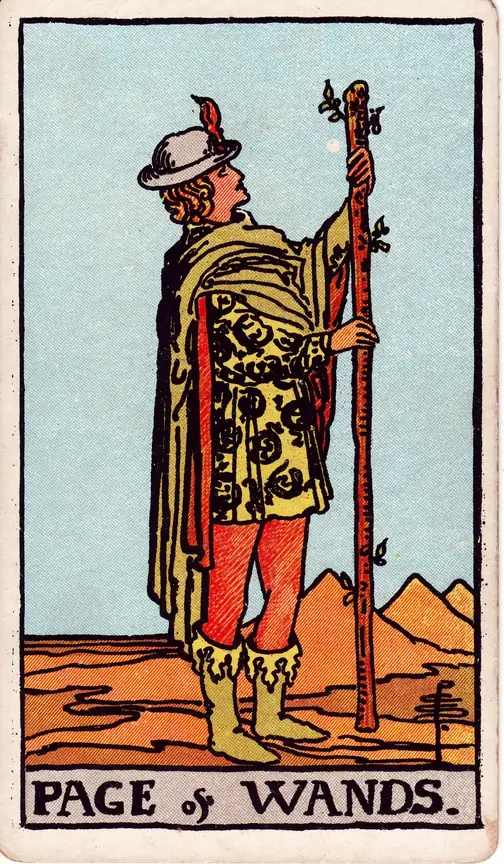
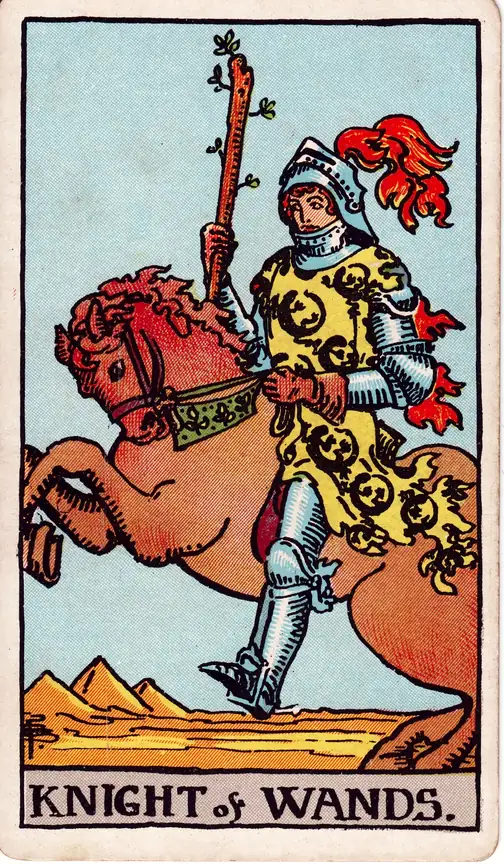
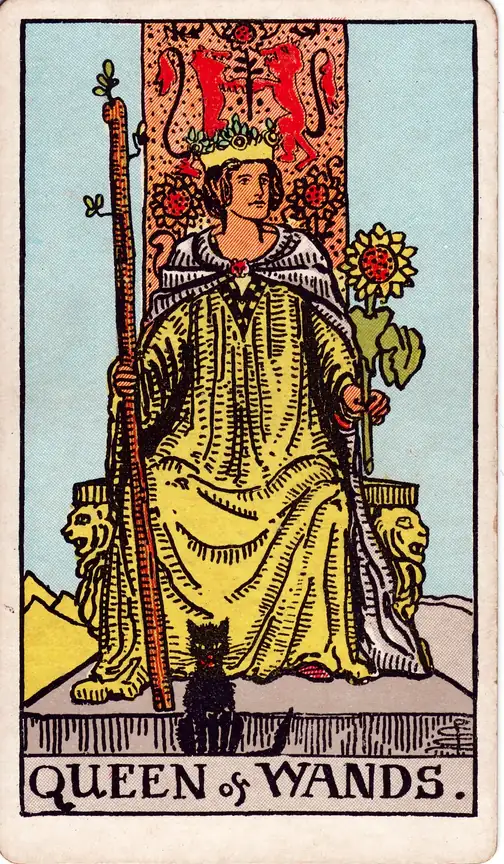
Wands speak to passion, creativity, ambition, action, and the urge to begin. Their fire element gives the suit an active, quick-moving quality, especially when a reading is about initiative, motivation, or the courage to act on an idea. Wands are linked with Aries, Leo, and Sagittarius, the three fire signs, and with summer. In a spread, this suit often brings attention to what is gathering energy and what you are ready to put into motion.
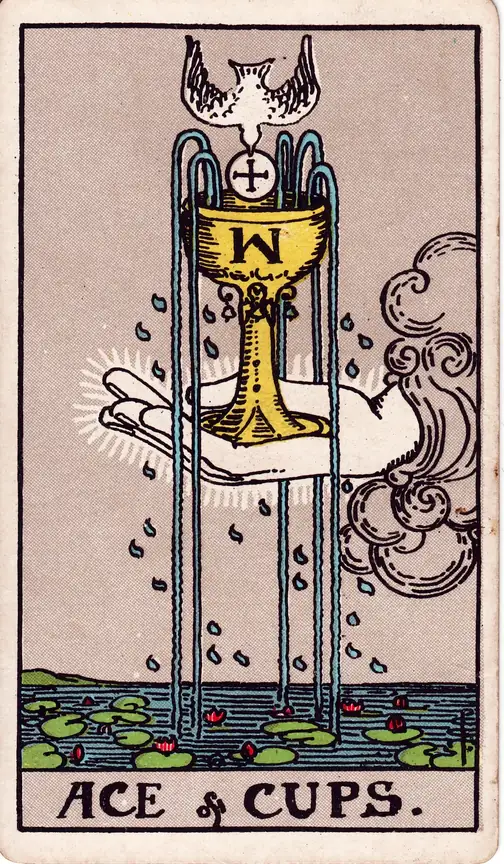
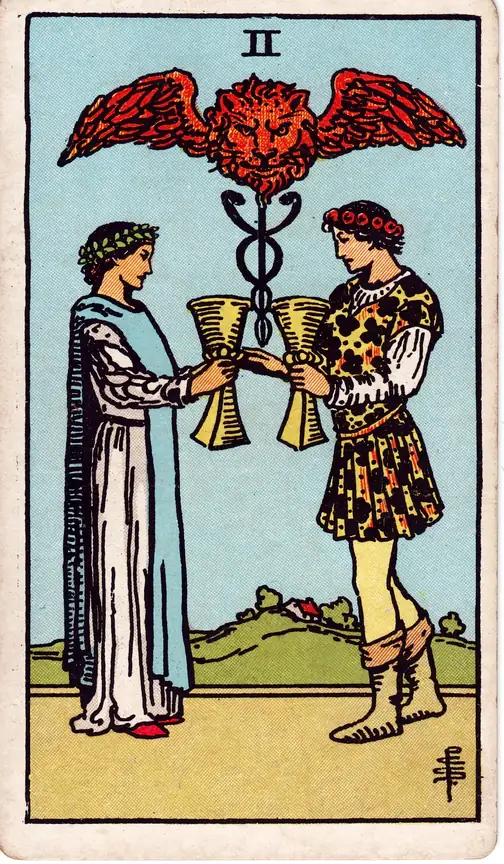
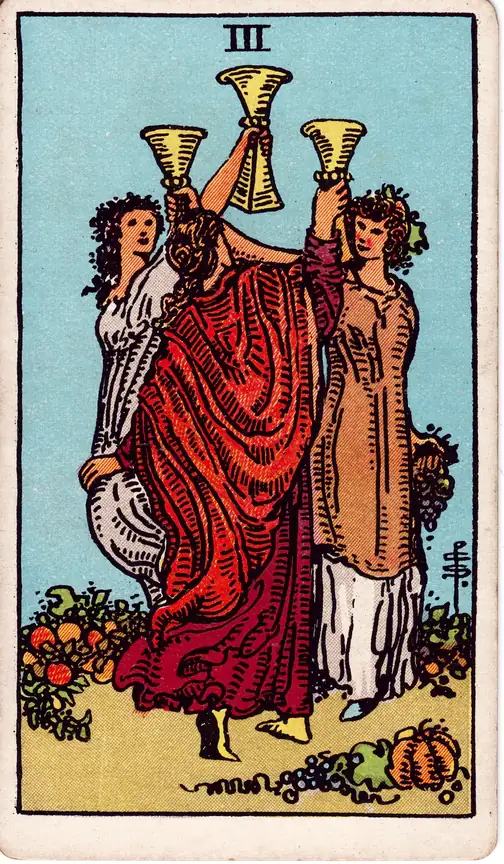
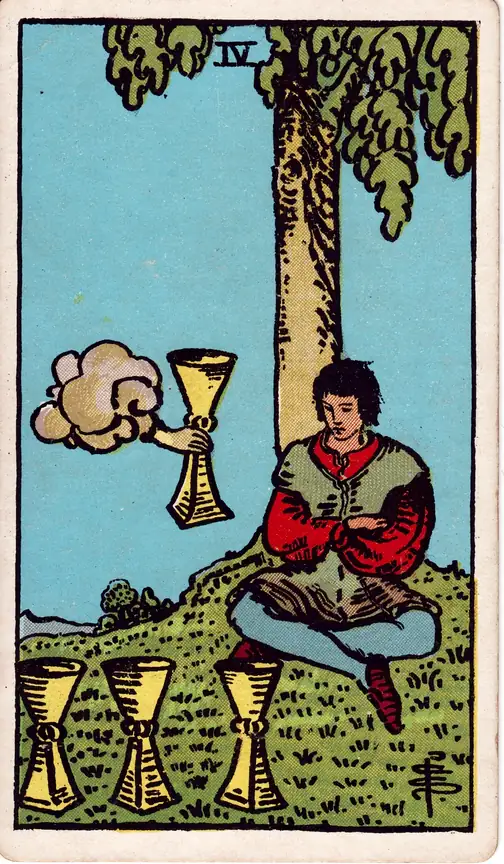
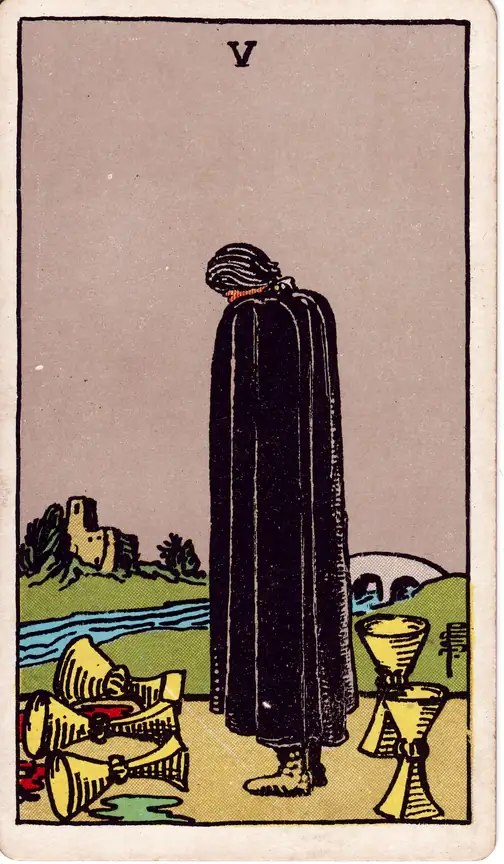
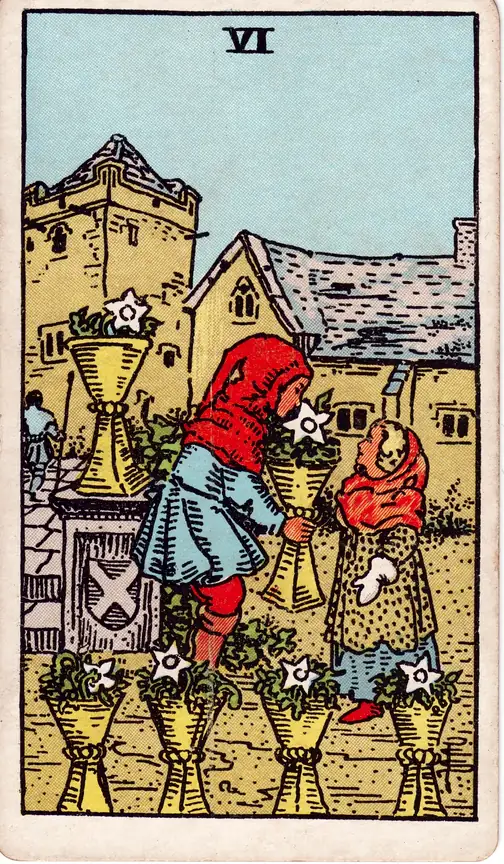
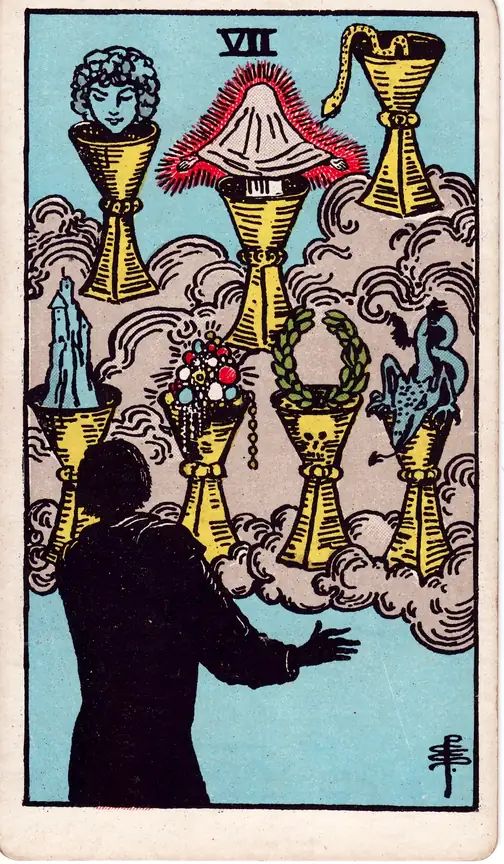
Suit of Cups
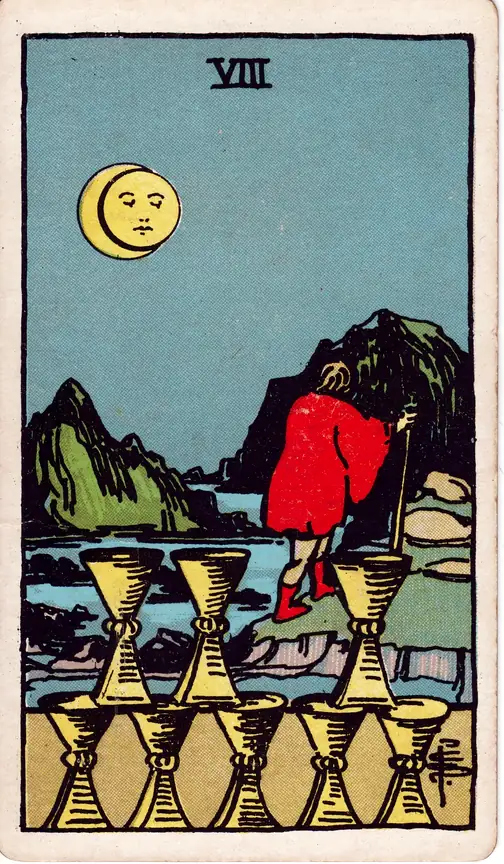
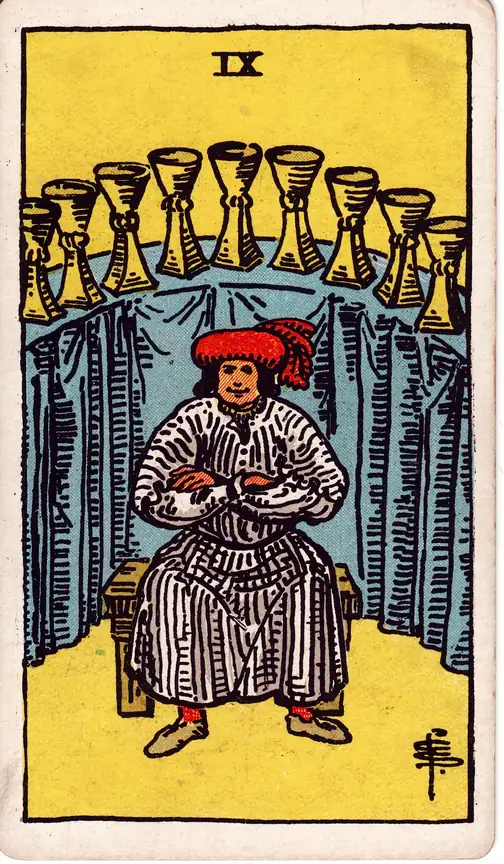
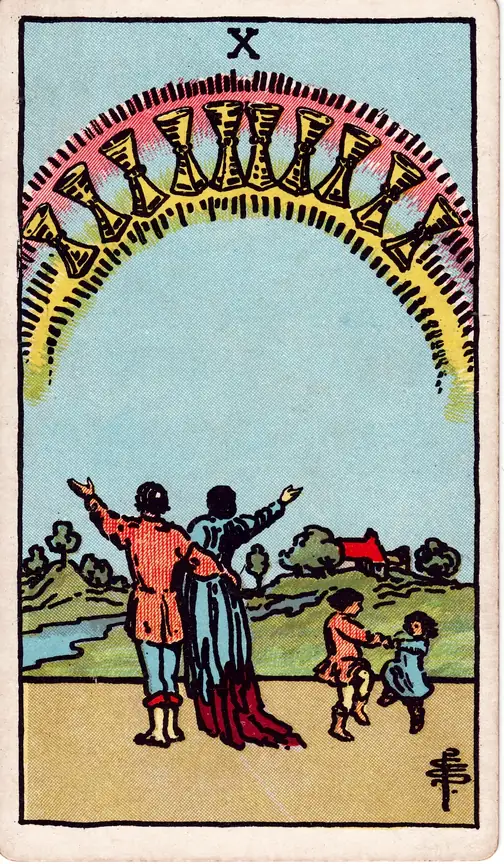
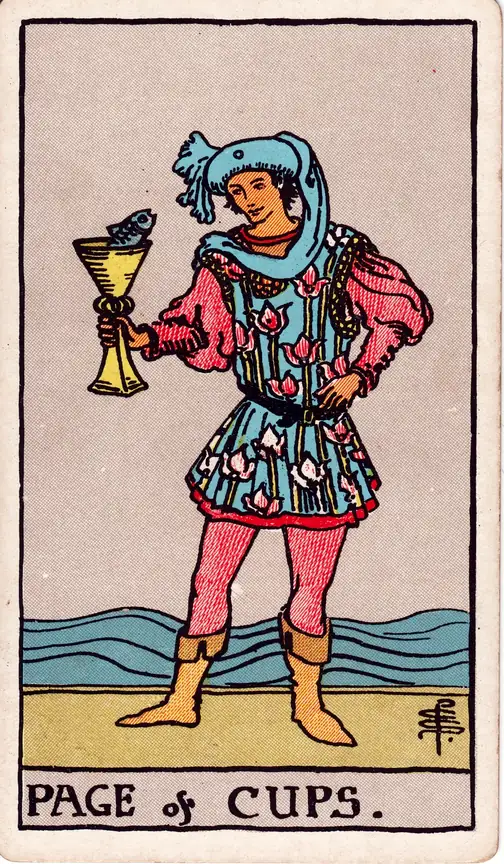
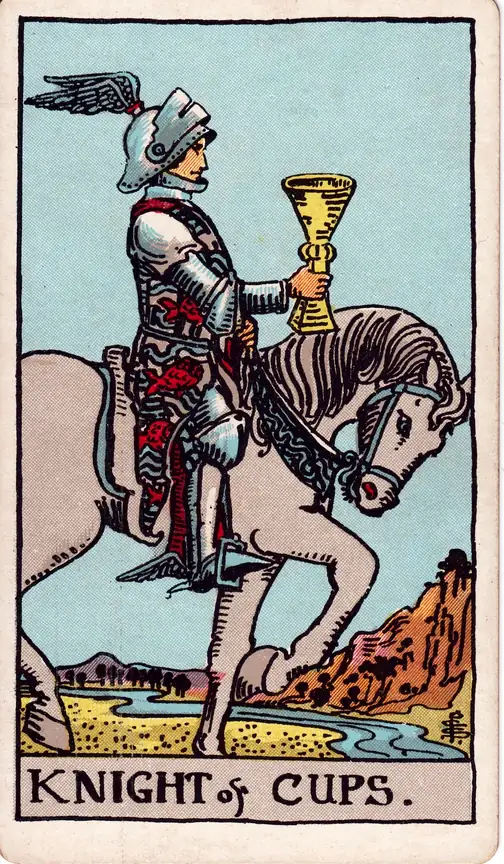
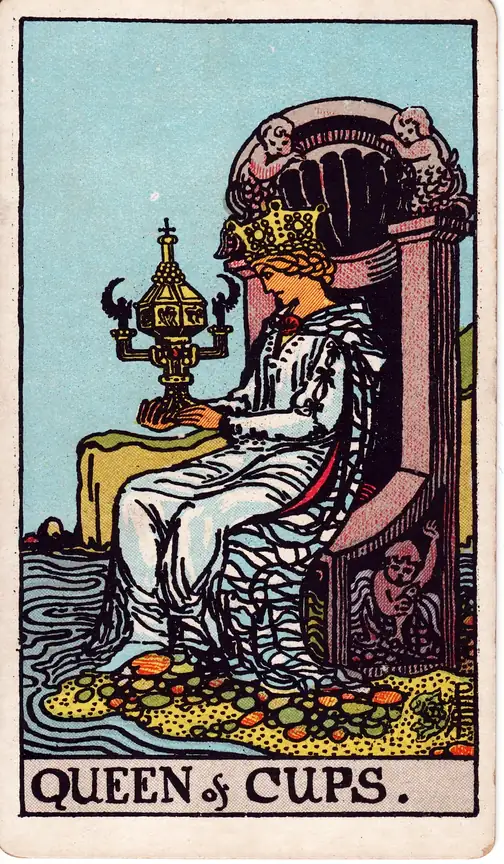
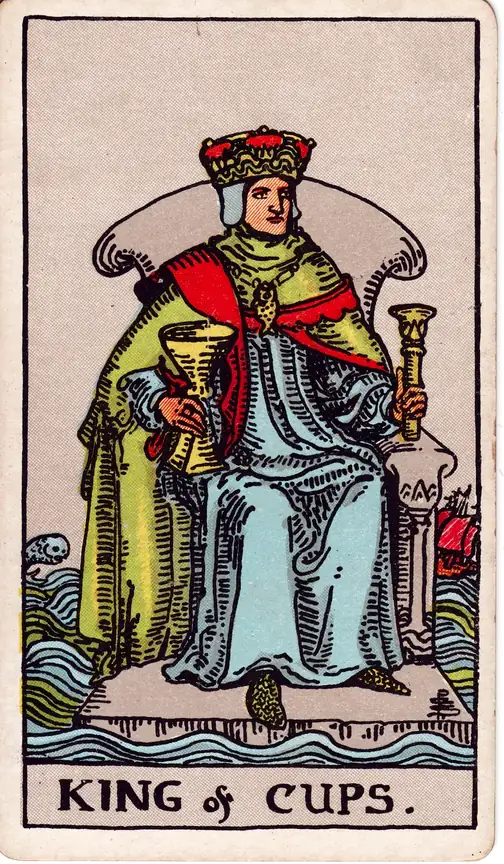
Cups centre on emotions, relationships, intuition, and the way you connect with yourself and other people. Their water element gives the suit a receptive, feeling-led quality, bringing attention to affection, emotional balance, healing, and what sits beneath the surface of a situation. Cups are linked with Cancer, Scorpio, and Pisces, the three water signs, and with spring. In a spread, they often show where feelings are shaping your choices or asking to be understood more clearly.
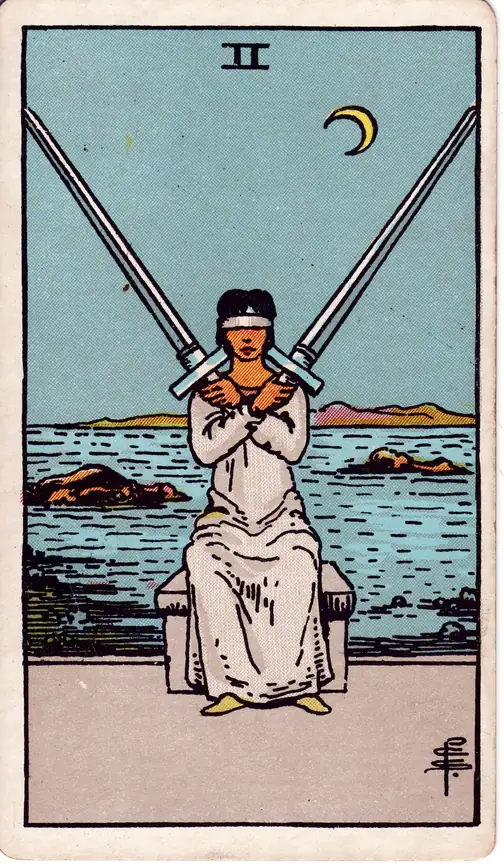
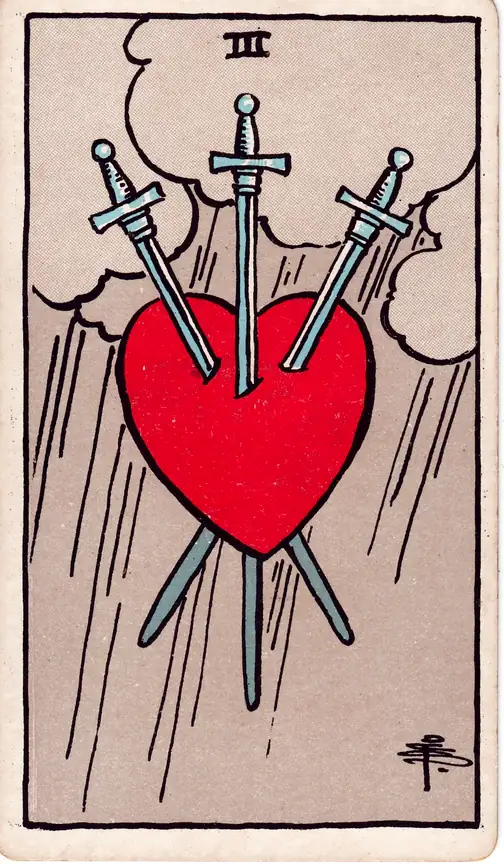
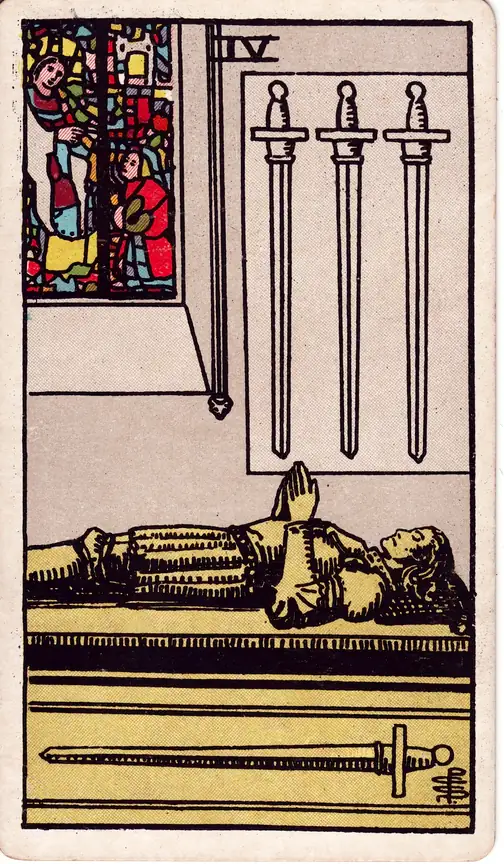
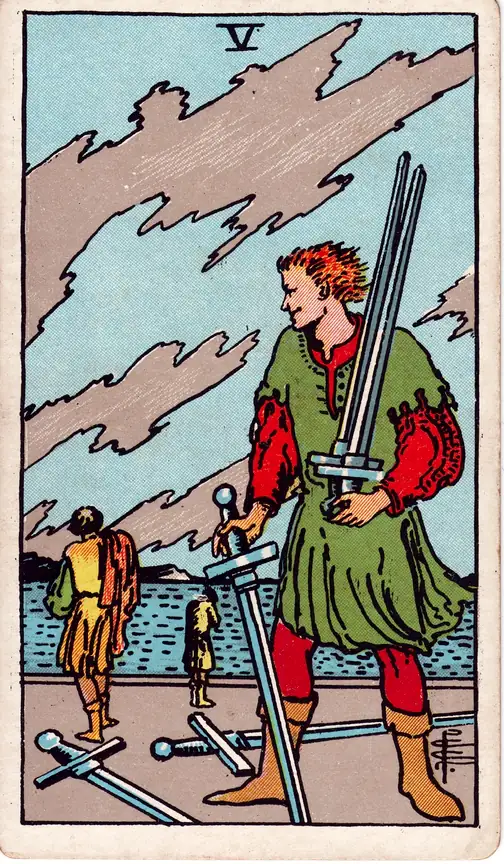
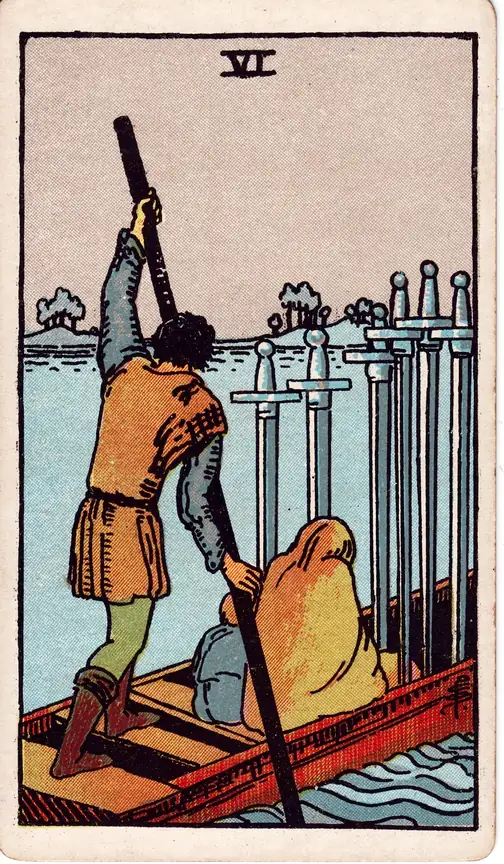
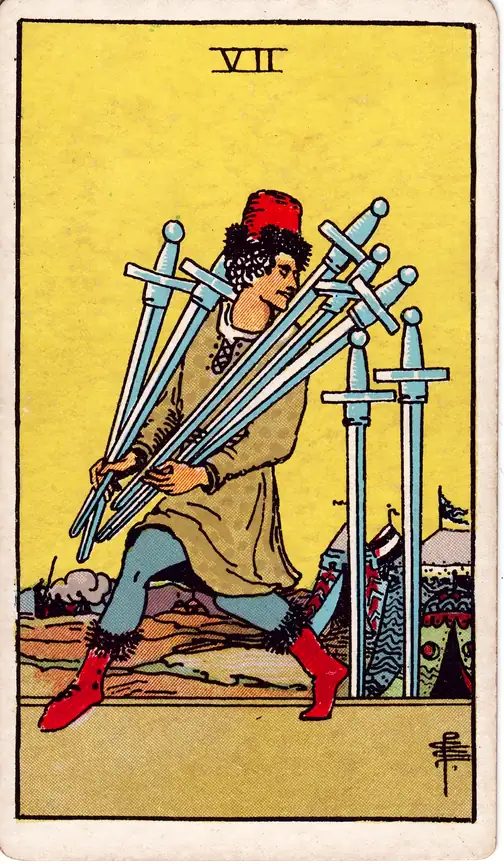
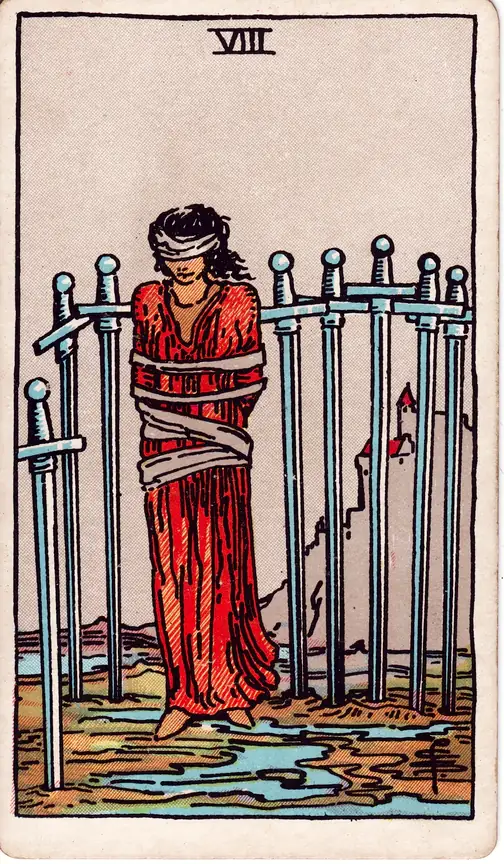
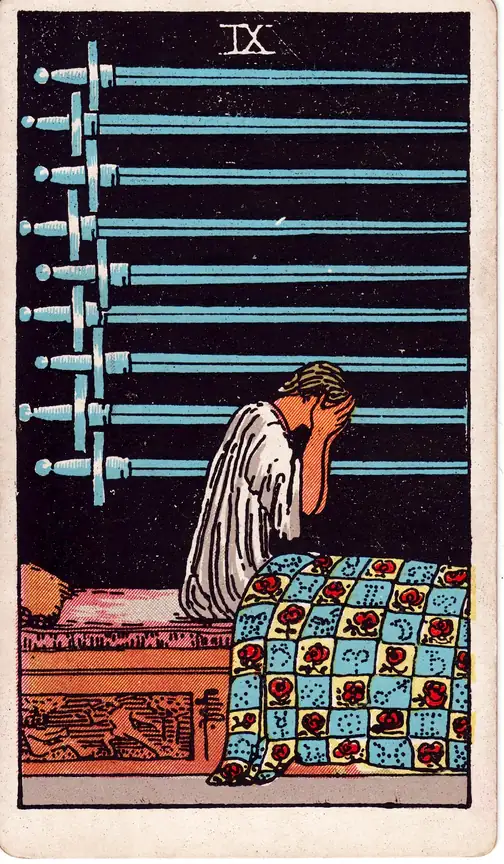
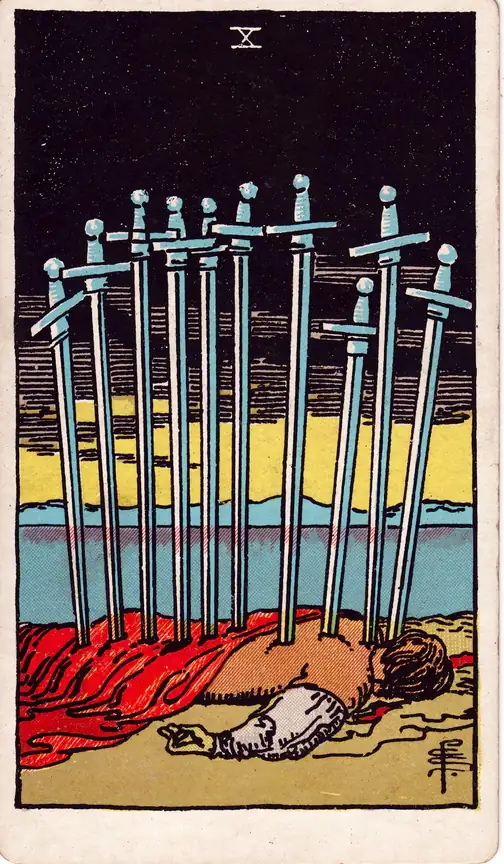
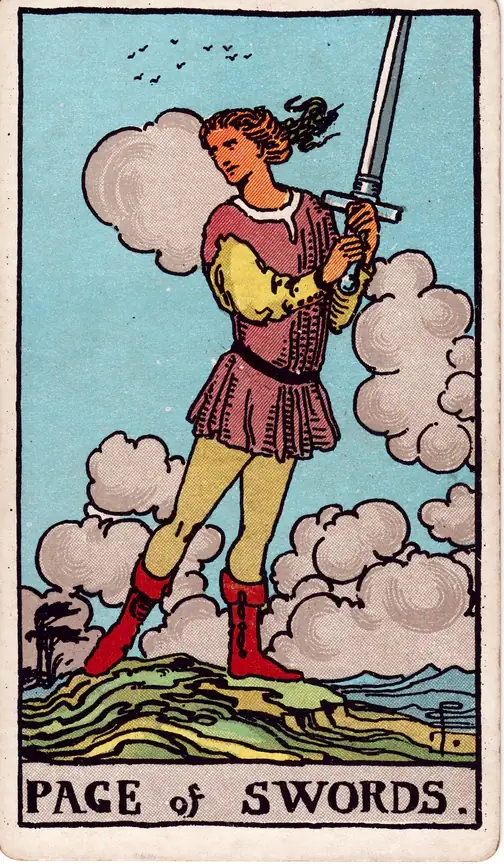
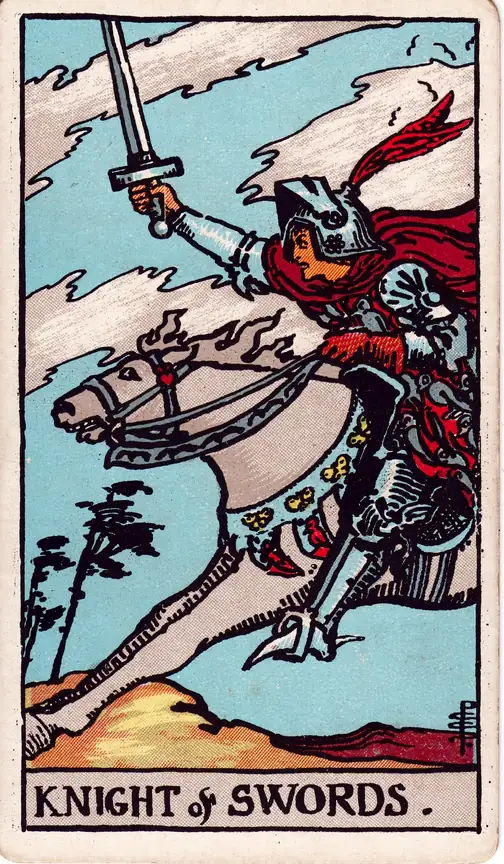
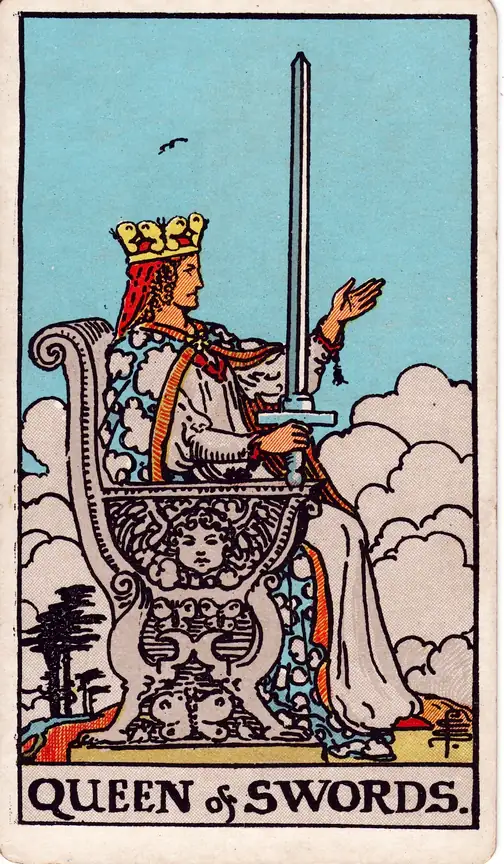
Suit of Swords
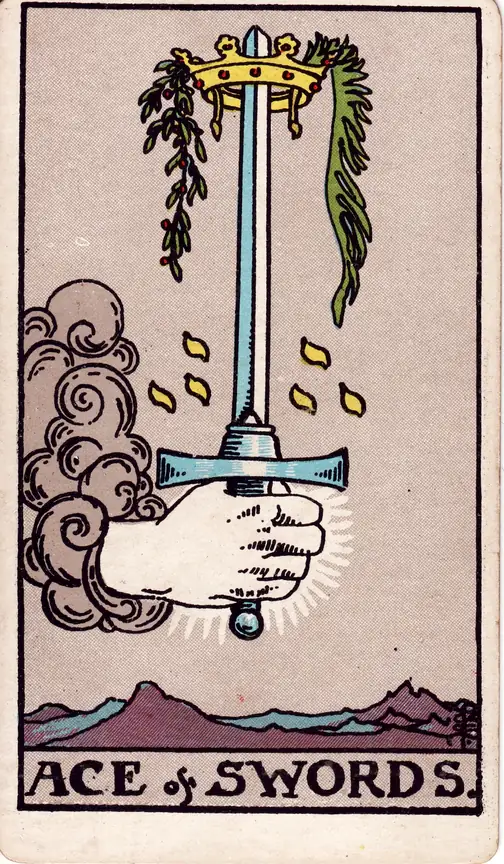
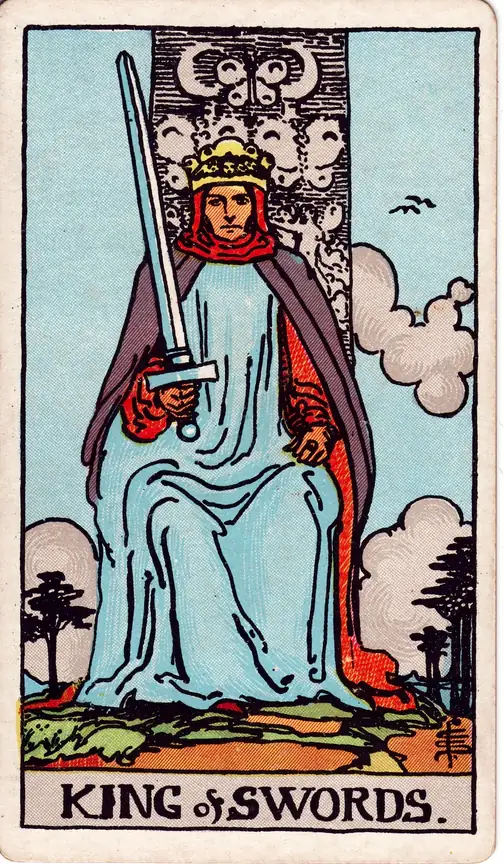
With Swords, the focus shifts to thought, communication, conflict, truth, and decision-making. Their air element gives the suit a quick, mental quality, so Swords often appear around ideas, conversations, difficult choices, or situations that need clear judgement. Swords are linked with Gemini, Libra, and Aquarius, the three air signs, and with winter. In a spread, they can show where your thinking is helping you see clearly and where tension, doubt, or disagreement is taking up too much space.
Suit of Pentacles
Pentacles bring the practical side of daily life into view through work, money, health, and security. Their earth element gives the suit a steady, grounded quality, with attention on what can be built, maintained, improved, or protected through consistent effort. Pentacles are linked with Taurus, Virgo, and Capricorn, the three earth signs, and with autumn. In a spread, they often point to the parts of life that need patience, care, and something concrete you can actually do.


How do you read tarot card meanings in a spread?
You read tarot card meanings in a spread by starting with each card's core meaning, then filtering it through the card's position, its neighbouring cards, and the question you asked. The printed meaning is the starting point, not the finished reading. Hold that core meaning lightly until you see what the position, nearby cards, and question are asking it to do.
First, identify the card's basic theme without forcing it to answer the whole question by itself. Next, look at the position it occupies. A card in a past position describes something that has already shaped the situation; the same card in an outcome position describes what the situation may be moving towards. Then read the cards beside it. They can support that meaning or complicate it, which changes how you read the card in that position.
For a simple example, imagine the same card appearing once in the past position and once in the outcome position. In the past, you would read its core theme as part of the background that brought you here. In the outcome, you would read that same theme as something still forming ahead. Nothing about the card itself has changed; its job in the spread has.
The question is the final filter. A work question, relationship question, and general reading can all draw different parts of the same card forward. In readings, meaning becomes useful when the card, position, surrounding cards, and question are read together rather than as four separate pieces.
What do reversed tarot cards mean?
Reversed tarot cards usually show an upright meaning that is softened, blocked, delayed, or turned inward rather than simply flipped into its opposite. A reversal changes how the card's energy is being expressed, and the rest of the spread helps you decide which version makes sense.
Sometimes the upright theme is present but hard to access. In another reading, it may be happening privately rather than visibly, or it may be taking longer to develop than expected. For example, an upright card may show an energy moving freely, while its reversal shows that same energy meeting resistance; an outward-facing theme may become something you are processing internally. The question, position, and neighbouring cards help you decide which of those expressions fits.
Some tarot readers do not use reversals at all, and that is a legitimate reading tradition rather than a shortcut. They read the full range of a card through its position, surrounding cards, and context instead. If you do use reversals, read each one through the same set of possibilities, then let the spread tell you whether the energy is blocked, softened, delayed, or turned inward.
Who are the court cards?
The court cards are the 16 people cards of the Minor Arcana: a Page, Knight, Queen, and King in each of the four suits. They show stages of maturity within a suit's element, moving from Page through Knight and Queen to King.
In a reading, a court card can point to a person in your life, but it does not have to. It can describe an energy or way of behaving that you are being asked to recognise or adopt. That gives you two useful ways to begin: look for the person who fits the card, or look at where that quality is being asked of you. The reading itself decides which role makes the better fit.
The rank then shows a stage of maturity in the suit's element. Read the progression from Page to Knight to Queen to King, with each rank carrying that element at a different level of experience. Pages also have a specific link with news or messages, so a Page can sometimes be read that way rather than as a person.
The suit tells you what kind of energy the court is carrying: Wands bring fire, Cups water, Swords air, and Pentacles earth. Reading rank and suit together helps you decide between the three main possibilities: someone in your life, an energy to adopt, or, for Pages, news or a message.
Suits, elements and zodiac signs
Each tarot suit is linked with an element and the three zodiac signs that share that element: Wands with fire and Aries, Leo, Sagittarius; Cups with water and Cancer, Scorpio, Pisces; Swords with air and Gemini, Libra, Aquarius; Pentacles with earth and Taurus, Virgo, Capricorn. These correspondences give you another layer for understanding how a suit behaves in a reading. They add character to the suit without replacing the meaning of the card in front of you.
The element tells you about pace and character as much as subject matter. Fire and air tend to read as fast and active, though fire expresses that through drive and action while air works through thought, speech, decisions, or conflict. Water and earth read more slowly and deeply, with water tied to feeling and earth to what is practical, tangible, and built over time.
You do not need to turn every tarot spread into an astrology reading for these links to be useful. Think of the zodiac signs as another way of recognising the quality of an element. A Wands-heavy spread carries more fire; a Pentacles-heavy one carries more earth. When several cards from one suit appear together, that shared element can tell you a great deal about the pace, tone, and practical focus of the reading before you examine each card in detail.
How does tarot timing work?
Tarot timing works best as a tendency rather than a fixed appointment. On this site, Wands are associated with summer, Cups with spring, Swords with winter, and Pentacles with autumn. Those seasons can give a broad window when a spread is clearly asking when something may develop.
Element also gives a sense of speed. Fire and air tend to move quickly, earth tends to move slowly, and water sits between them. Major Arcana move on their own clock because they describe larger processes rather than a simple suit rhythm. A card can suggest pace without naming a date, which is why the result is better treated as a window than a promise. Readers therefore treat timing as an estimate shaped by the whole spread, not a rigid formula where a card number automatically equals a set number of days.
Can tarot cards answer yes or no questions?
Yes, tarot cards can answer yes or no questions, but many answers come through as a lean rather than a hard binary. Some cards carry a clear yes or no, while others point to a conditional answer that depends on what changes, what you choose, or what the rest of the spread shows. That conditional lean still answers the question; it simply keeps the condition attached.
Reversals usually weaken a yes rather than automatically turning it into a no. That gives you room to read hesitation, delay, resistance, or conditions without forcing a clean answer where the card does not give one. The lean is a starting answer, not the whole reading. Every card guide on this site states that card's yes-or-no lean, so you can check the verdict and then read the fuller meaning for the nuance behind it.
How do you learn all 78 tarot card meanings?
You learn all 78 tarot card meanings most easily by starting with the Major Arcana, then taking the Minor Arcana one suit at a time. Build a small framework first instead of trying to memorise a finished essay for every card.
Begin with a few upright keywords and the card's main theme. Once those feel familiar, notice how the suit and number or court rank add structure. The Major Arcana give you the deck's larger archetypes, while the four suits help you group the minors into related families. That makes 78 separate cards much easier to hold in your head.
A daily card habit usually teaches faster than memorising long definitions. Pull one card, name the keywords you remember, then check the guide and compare what you missed. Seeing the same card in different questions also teaches you how context changes which part of its meaning comes forward. Reversals can wait until your upright meanings feel solid; adding both at once gives you twice as much material before the basic pattern has settled.
You do not need to know the whole deck before you can read it. Go back to the grid above, pick one card, learn its upright meaning well enough to recognise it again, and start there.
Common Questions About Tarot Card Meanings
### How many tarot cards are there?
A standard tarot deck has 78 cards: 22 Major Arcana and 56 Minor Arcana. The Minor Arcana split into four suits of 14 cards each, Wands, Cups, Swords, and Pentacles, with ten numbered cards and four court cards in every suit.
What's the difference between the Major and Minor Arcana?
The Major Arcana represent major life themes, spiritual lessons, and significant turning points, while the Minor Arcana describe the everyday situations, emotions, and choices of daily life. Majors give a reading its larger frame; minors fill in the practical detail of how that situation is playing out.
Can a beginner learn tarot card meanings?
Yes, a beginner can learn tarot card meanings without memorising all 78 at once. Most people start with the Major Arcana and one suit at a time, learning a few keywords per card. The meanings become easier to remember once you pull cards and see them in readings.
Is there a tarot card meanings cheat sheet?
Yes. Every card guide on this site includes a cheat-sheet graphic with the card's upright and reversed keywords, its yes-or-no lean, element, and timing. It gives you the quick reference first while you are reading, with the full guide there when you need context or a fuller interpretation.
What zodiac signs go with each tarot suit?
Each suit links to three signs through its element. Wands connect with Aries, Leo, and Sagittarius; Cups with Cancer, Scorpio, and Pisces; Swords with Gemini, Libra, and Aquarius; Pentacles with Taurus, Virgo, and Capricorn. These links add another way to read each suit's character in the deck.
Do tarot cards have different meanings in love and career?
Yes, context changes which part of a tarot card's meaning comes forward in love, career, or money questions. The core card stays the same, but the question changes its focus. Every card guide here includes dedicated love, career, and money sections so you can read that shift clearly.
Ready to explore? Pick any card above to read its full meaning, or try a free animated tarot reading on TarotCards.io to see the cards come to life.