
Major Arcana — Tarot Card Meanings
The 22 Major Arcana cards explore life themes, turning points and personal growth, from The Fool to The World. Browse their upright and reversed meanings below, then learn how the cards connect through the Fool’s Journey and a tarot spread.
Major Arcana
What the Major Arcana Represents
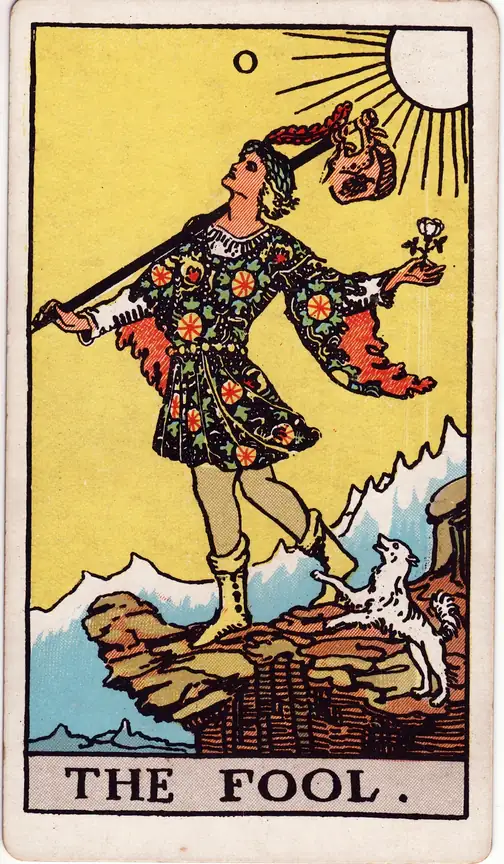
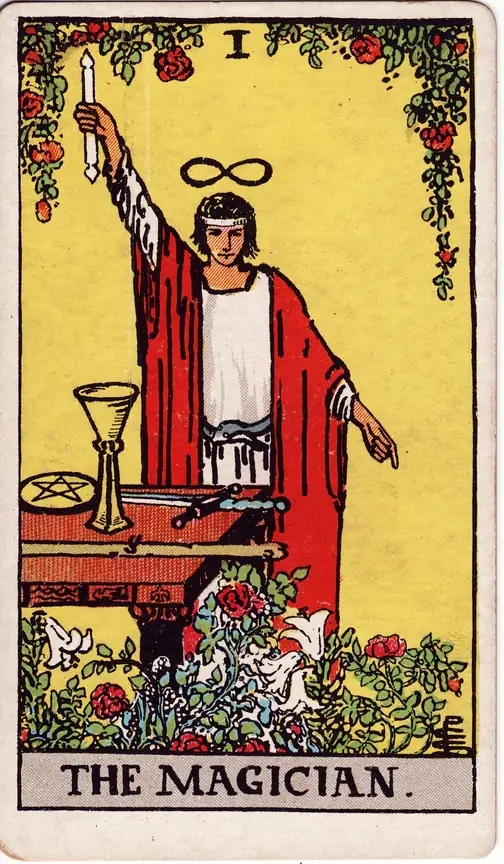
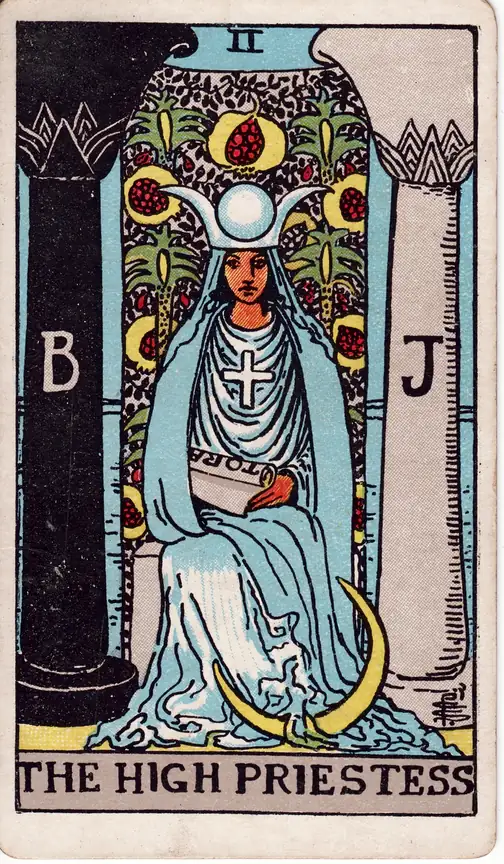
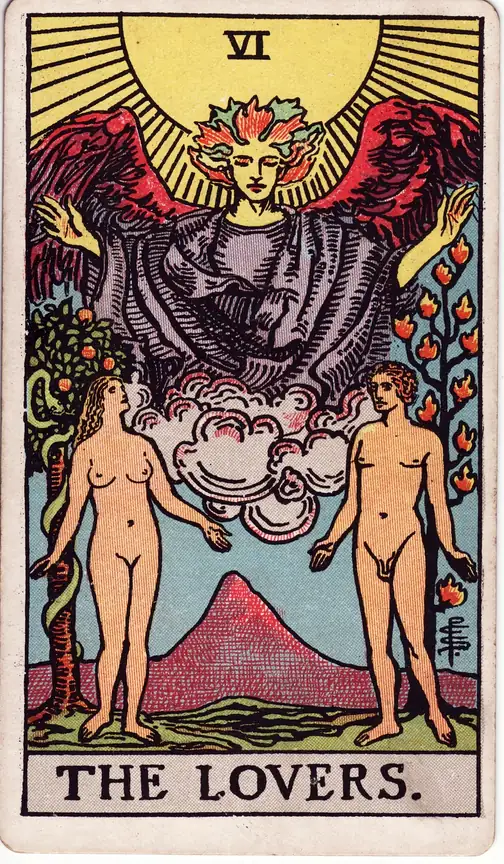
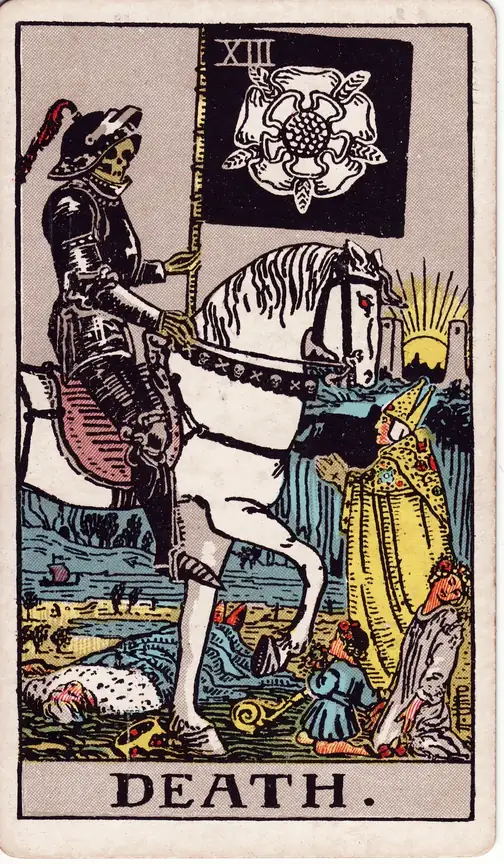
The Major Arcana represent the larger patterns, lessons, and turning points that give a reading its weight. Each card distils a universal human experience into a single image and number. The Magician is raw potential and the will to manifest; The High Priestess is intuition and the wisdom you already hold but have not named. With The Lovers, the focus turns to union, values, and the choices that define you. Death is read here as an ending, release or transition that changes what comes next.
These 22 cards are also known as the tarot's trumps. In the Rider–Waite–Smith sequence used here, they run from The Fool at 0 to The World at 21; in some traditions, The Fool is left unnumbered. While the Minor Arcana describe everyday situations, the Major Arcana can offer a broader perspective on the same question. A Major card does not make an event inevitable or remove the choices available to you.
The Fool's Journey: An Arc Across 22 Cards
The 22 cards are often read as one continuous story called the Fool's Journey, a metaphorical path of personal change that mirrors how we grow up, wake up, and make sense of experience. It begins with The Fool, card zero: open, trusting, one foot already over the edge of the cliff, ready to step forward with everything and nothing to lose.
The first movement, roughly cards 0 to 7, faces the outer world. Here the story takes shape through identity, will, relationships, choices, and structure. The Magician learns to act, The High Priestess to listen inward, and The Lovers brings the question of what you choose and commit to.
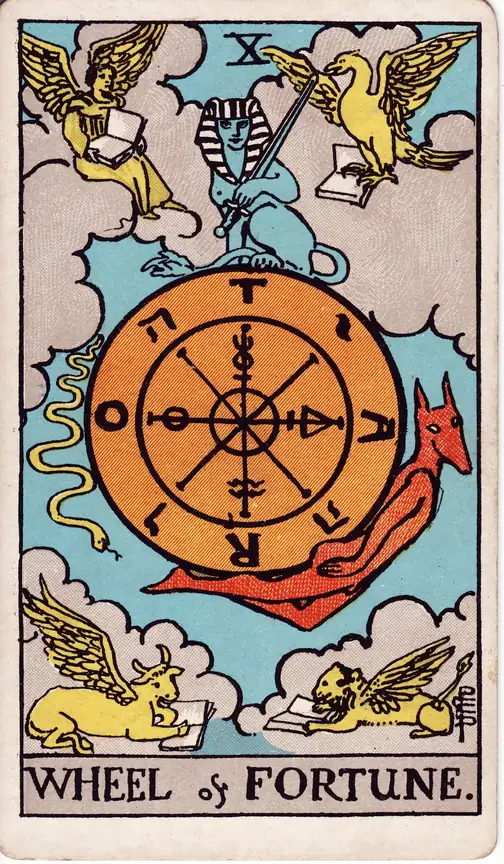
From cards 8 to 14, the emphasis turns inward. Trial, surrender, endings, and balance ask for a different kind of strength. The Fool encounters forces that cannot simply be controlled, including the changing cycles of Wheel of Fortune and the ending carried by Death.
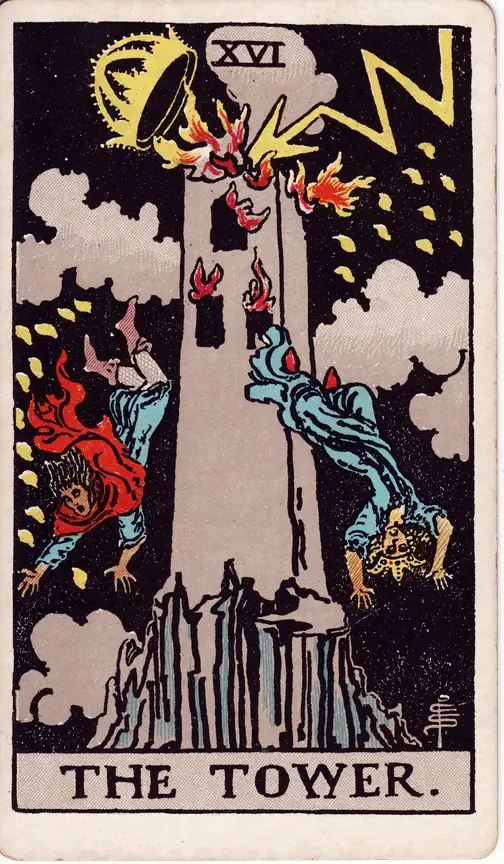
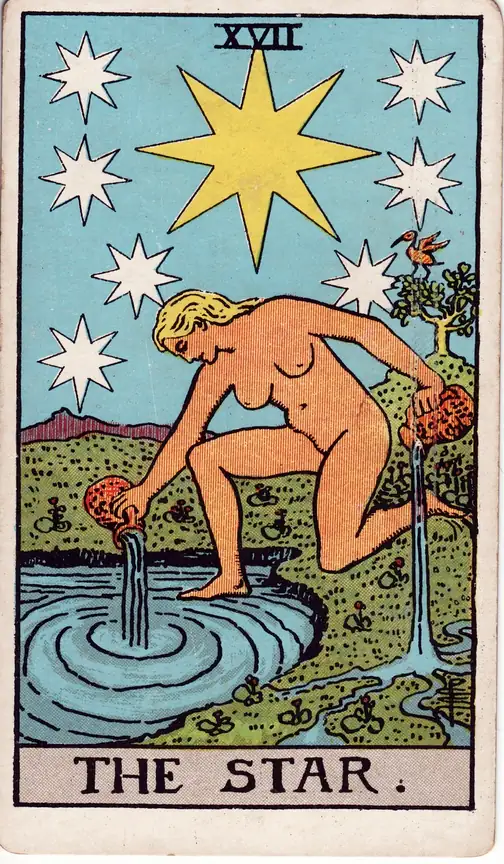
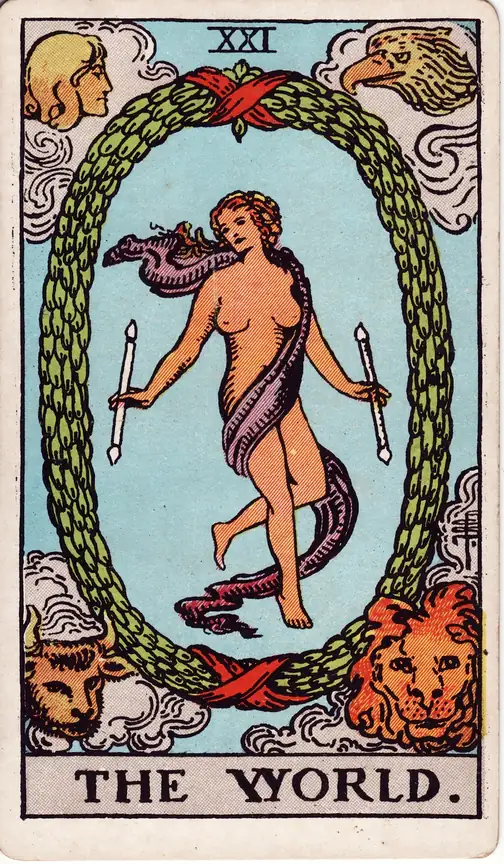
Cards 15 to 21 move towards release and integration. The Tower breaks what was never as solid as it looked; The Star follows with quiet hope, healing, and faith renewed. The sequence closes with The World: completion, wholeness, and a chapter fully integrated before another begins. Read this way, the Major Arcana moves from first contact with the world, through inner testing, towards hard-won understanding.
The 22 Major Arcana Cards in Order
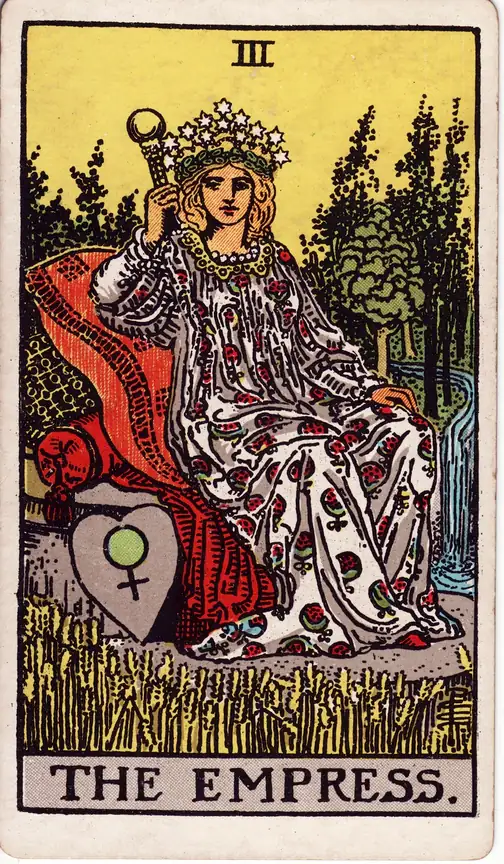
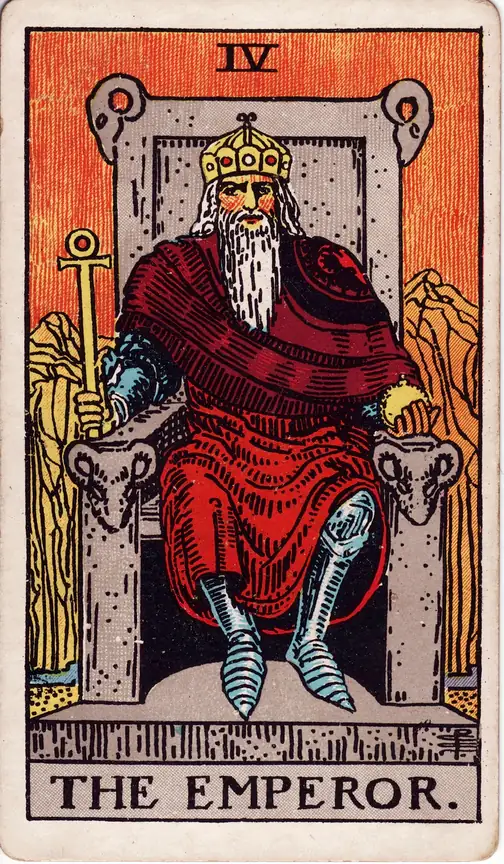
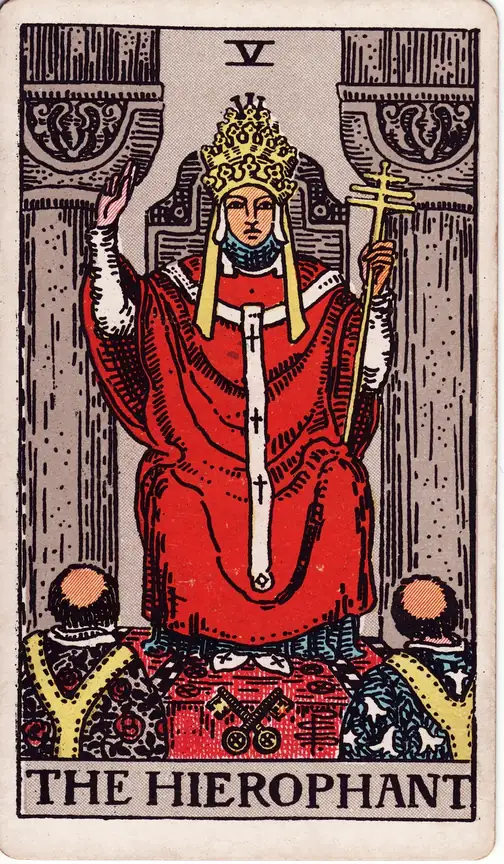
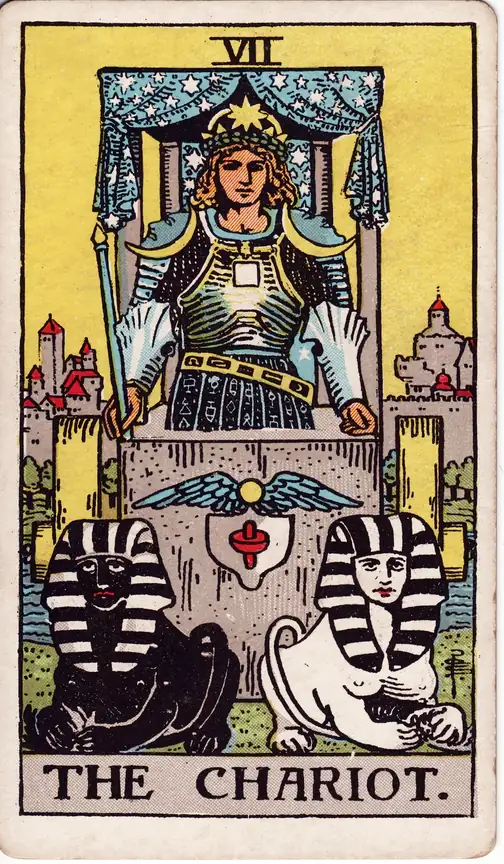
The 22 Major Arcana cards run from 0 to 21, and their order gives the Fool's Journey its shape. In the first arc, 0 to 7, you meet The Fool, the open leap; The Magician, focused will; The High Priestess, inner knowing; The Empress, nurture and abundance; The Emperor, order and authority; The Hierophant, tradition and teaching; The Lovers, union and choice; and The Chariot, directed drive.
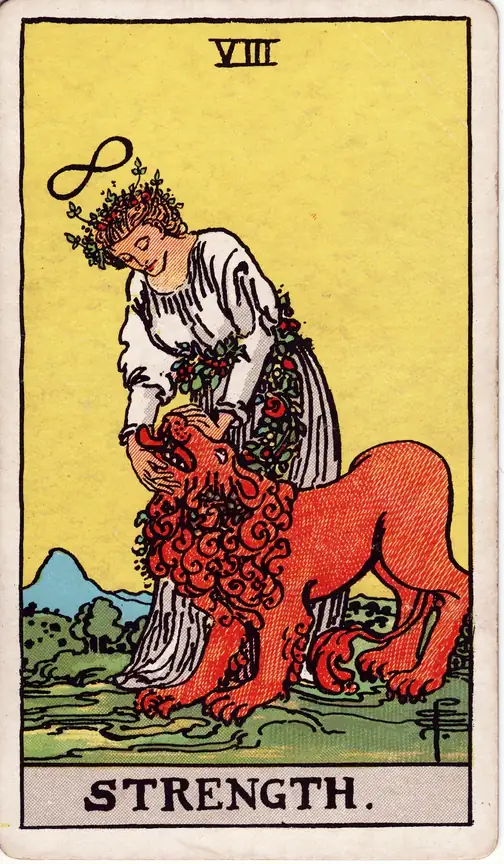
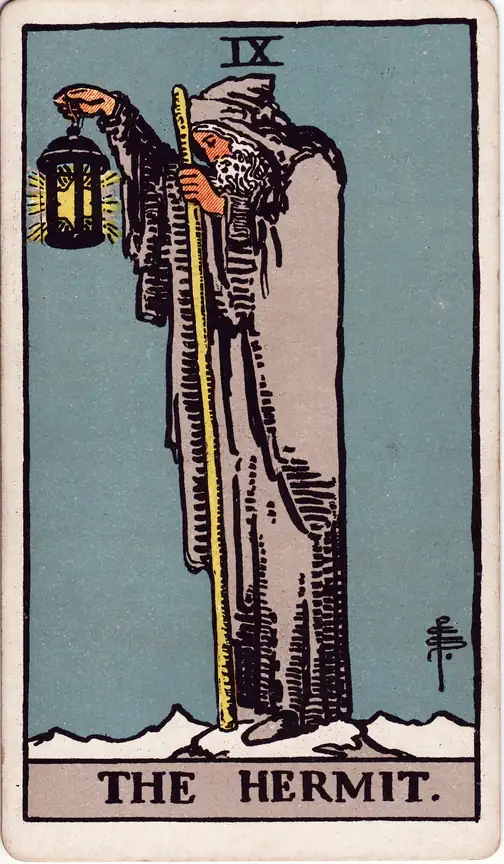
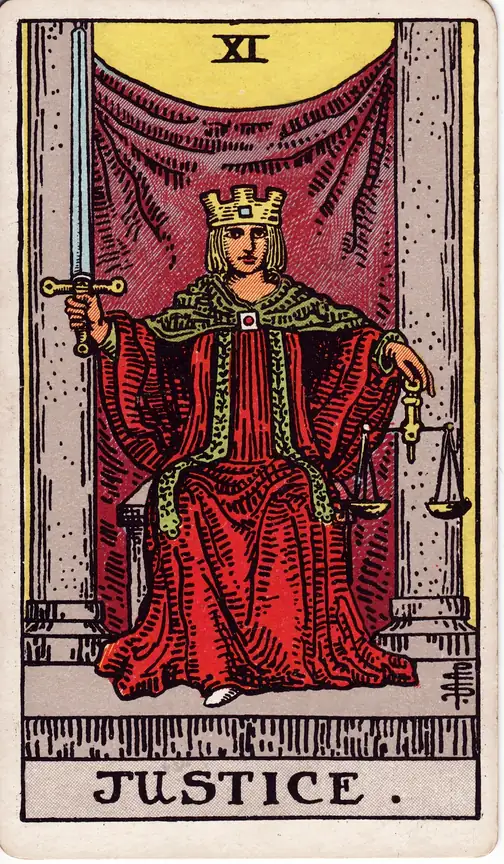
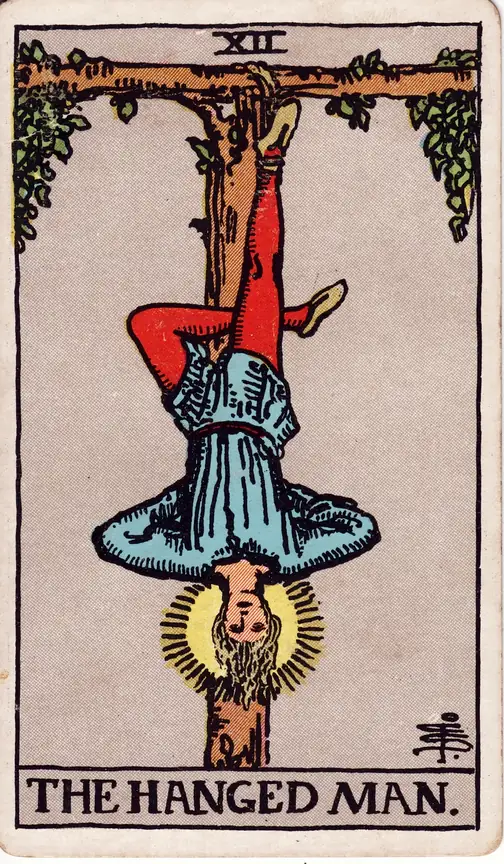
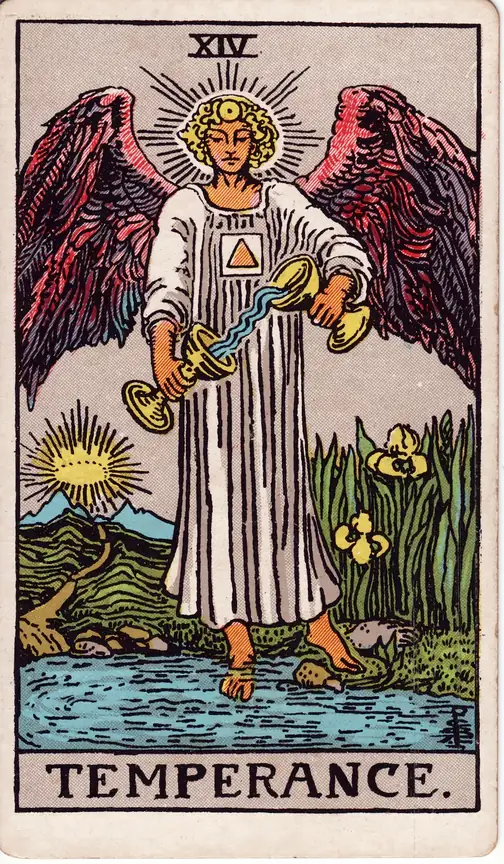
The inner turn, cards 8 to 14, continues with Strength, calm courage; The Hermit, inward search; Wheel of Fortune, turning cycles; Justice, truth and balance; The Hanged Man, surrender and perspective; Death, necessary ending; and Temperance, measured balance.
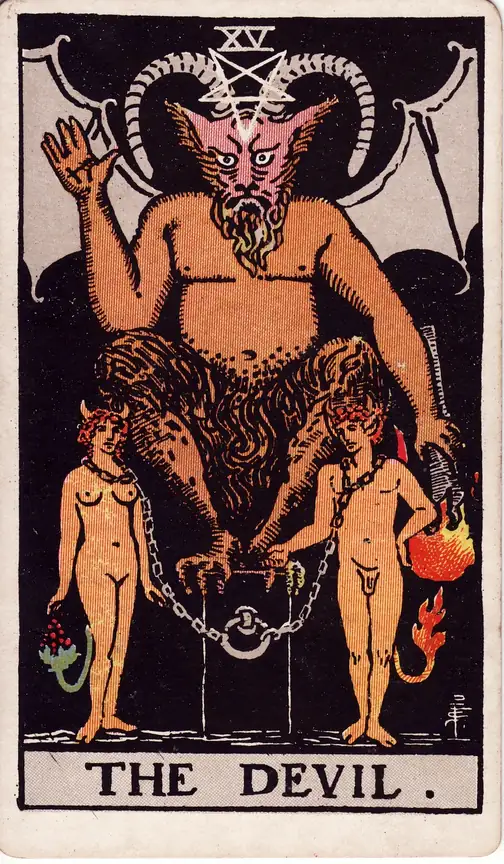
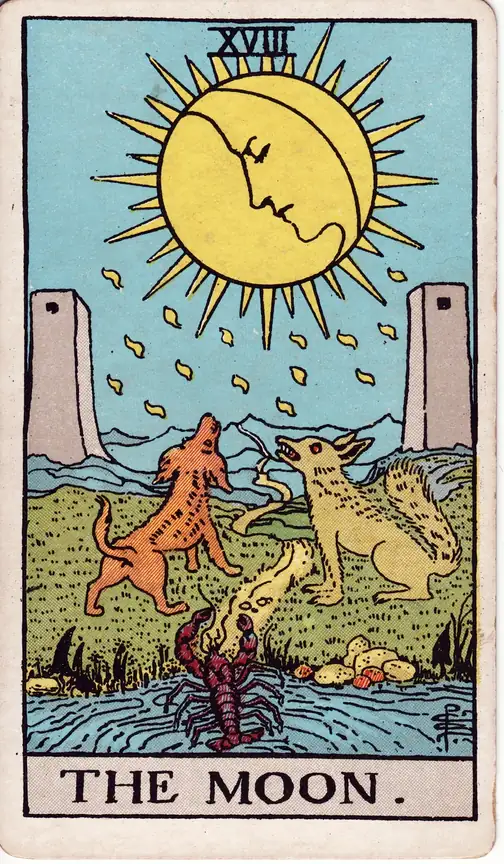
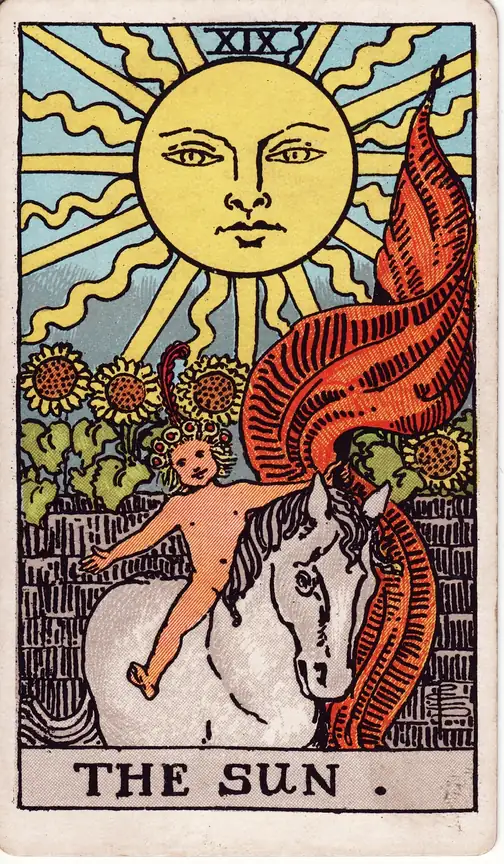
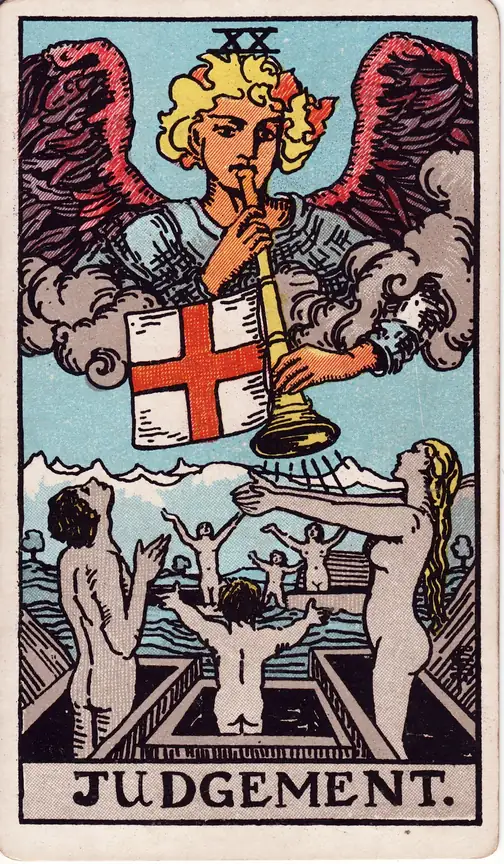
The final arc, cards 15 to 21, moves through release and integration: The Devil, binding attachment; The Tower, sudden upheaval; The Star, renewed hope; The Moon, uncertainty and intuition; The Sun, clarity and joy; Judgement, reckoning and renewal; and The World, completed integration. You do not need to memorise the whole sequence before reading, but seeing the cards in this order makes their larger arc easier to recognise.
The Major Arcana and Astrology
Many tarot readers add correspondences from Western esoteric traditions, linking the Major Arcana with planets, zodiac signs or elements. These are an interpretive framework rather than a feature shared by every deck or reading method. The card’s image, the question and its position in the spread remain the starting point.
A few correspondences show the pattern clearly. The Magician is linked with Mercury, while The Empress is linked with Venus. Strength corresponds with Leo, and The Tower with Mars. Some Major Arcana cards therefore carry a planetary association and others a zodiacal one, but the correspondence does not replace the tarot meaning. It sits beside it.
In a reading, you can use that astrological link as supporting information rather than treating it as a separate prediction. The card still speaks first; the planet or sign gives you another way to understand the kind of force the card brings to the spread.
How to Read the Major Arcana in a Spread
When several Major Arcana appear, consider whether the question touches a broader theme such as identity, values or change. One Major among several Minors can help frame the everyday details around it: The Tower beside Cups and Pentacles, for example, may prompt reflection on how disruption affects relationships and practical security. The number of Major cards is a reading cue, not proof that destiny has fixed the outcome.
Upright and reversed describe different ways to approach a card, not a simple division into good and bad. Upright, The Star can suggest hope while The Tower can describe upheaval. A reversal may draw attention to something delayed, resisted, internalised or beginning to change; its meaning depends on the individual card and the question. Read each card alongside its neighbours rather than assuming that every upright Major works in your favour.
Common Questions About the Major Arcana
What are the Major Arcana cards?
They are the 22 trump cards of the tarot, numbered 0 through 21, from The Fool to The World. Each represents an archetypal life lesson or stage of spiritual growth, and together they form the Fool's Journey.
What does it mean when a reading is mostly Major Arcana?
Readers often take this as a cue to examine larger themes, values or turning points within the question. It does not establish that events are fated or beyond your influence. Consider the specific cards and their positions before deciding which theme connects them.
Is the Death card a bad sign?
The interpretation used here focuses on endings, release and transition. Drawing Death is not evidence that someone will die. Read it in relation to the question: it may invite reflection on what has ended, what needs to change or what you are finding difficult to let go.
Do the Major Arcana have to be read in order?
Not in a spread — each card stands on its own. But knowing the Fool's Journey sequence gives you a map for how the archetypes relate, which helps you read where a given card falls in a larger story of growth.
What is the most powerful Major Arcana card?
There is no single most powerful Major Arcana card. The World can suggest completion and Death can suggest change, but neither outranks every other card in a reading. The question, spread position and surrounding cards determine which meaning is most useful.
Are Major Arcana cards more important than Minor Arcana?
Both matter. Readers often use the Major Arcana to explore broad life themes and the Minor Arcana to examine the everyday circumstances around them. A Minor card can be central to a reading if it speaks directly to the question or occupies an important position.
Choose a card from the grid above to explore its upright and reversed meanings in detail. For the everyday situations around those larger themes, continue with the Minor Arcana.